ConciseTravel
Brussels is a base for exploring Flanders. Three excellent day trips are within easy train distance: Bruges (medieval perfection), Ghent (bigger, more interesting), and Waterloo (historical significance).
All are doable as same-day trips. You don't need to stay overnight.
Bruges: The Postcard City
Distance: 25km west. Train time: 15-20 minutes. Cost: €9-12 return.
Bruges is what people imagine when they think of medieval Flanders: cobblestone streets, canals, perfect architecture, tourists everywhere. It's genuinely beautiful and genuinely crowded.
What to do: Walk the old town, visit Markt (main square), take a canal boat ride, visit the Belfry Tower, wander the residential streets away from the centre.
Time needed: 4-6 hours minimum. A full day is better.
Honest take: It's iconic but touristy. Early morning (before 9am arrival on the train) is quieter. The architecture is genuinely exceptional—narrow medieval buildings, cobblestones, authentic Flemish vibe. But expect crowds.
Best move: Take the 8am train, arrive before 9am, spend 3-4 hours, then take an afternoon train back. You'll see everything and avoid peak crowds.
Lunch: Bruges has excellent restaurants, but they're expensive (you're paying for location). Go to a proper café (locals eat here too) for better value.
Ghent: The Underrated Option
Distance: 30km north. Train time: 20-30 minutes. Cost: €9-12 return.
Ghent is bigger, less touristy, and arguably more interesting than Bruges. It has medieval architecture, canals, museums, and actual local life. Tourists skip it because Bruges is more famous. That's your advantage.
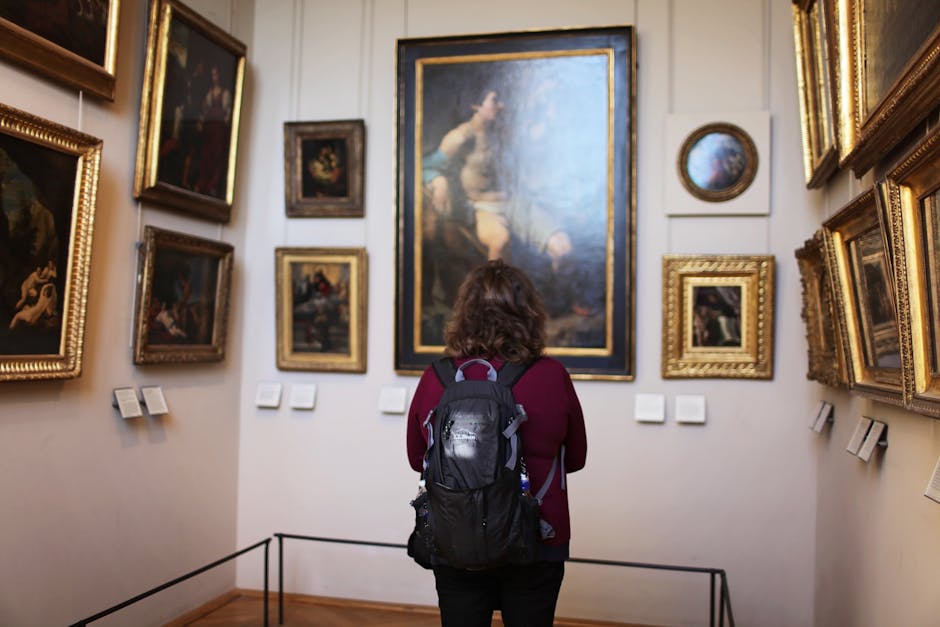
What to do: Walk along the canals (Graslei waterfront is stunning), visit Saint Bavo's Cathedral (has the Ghent Altarpiece—one of Europe's most important paintings), wander the side streets, get lunch at a proper restaurant (cheaper and better than Bruges), explore the Design Museum or Fine Arts Museum.
Time needed: 4-6 hours, similar to Bruges.
Honest take: Better than Bruges for actual experience. Less crowded. More genuinely Belgian. Architecture is as good, vibe is better. The cathedral alone is worth the trip—the Altarpiece is extraordinary.
Best move: Take the train mid-morning (after a Brussels breakfast), spend 4-5 hours, return evening. You'll have a full Ghent experience without rushing.
Lunch: Affordable and good. The student population keeps prices low. Try a traditional Gentse Stoverij (Ghent stew).
Waterloo: Historical Pilgrimage
Distance: 20km south. Train time: 30-40 minutes (requires a change). Cost: €15-20 return.
Waterloo is where Napoleon was defeated. If you're interested in Napoleonic history, it's a required pilgrimage. If not, it's less essential.
What to do: Visit the Lion Mound (monument on the battlefield), enter the museum, walk the battlefield, visit the farmhouse (where Wellington's headquarters was). There's a lot of agricultural land, which helps you visualize the actual battle geography.
Time needed: 3-4 hours minimum.
Honest take: It's historically important and the setting is genuinely impressive (you can actually see where the battle happened). But it's less visually interesting than Bruges or Ghent. You're looking at fields and monuments.
Best for: History enthusiasts, people interested in the Napoleonic Wars, anyone with British heritage (Wellington connection).
Lunch: The town has cafés but nothing special. Eat before you go or grab something basic.
Comparison
Bruges: Beautiful, famous, crowded, iconic, less substance beyond the look.
Ghent: Beautiful, less famous, less crowded, better vibe, more things to do, more authentic.
Waterloo: Historical, less visually interesting, requires more time commitment, specific interest (Napoleonic history).
Practical Strategy
If you have one day: Ghent. Better experience, fewer crowds, more interesting.
If you must see Bruges: Go early (8am train), do it quickly, return afternoon.
If interested in history: Waterloo, but accept you'll spend most of your day there.
If you have two days: Bruges one day, Ghent another. Both are worth it if you have the time.
Getting There
All are accessible by train from Brussels Central Station or Brussels-South Station (check ticket when you buy). Trains are frequent and reliable.
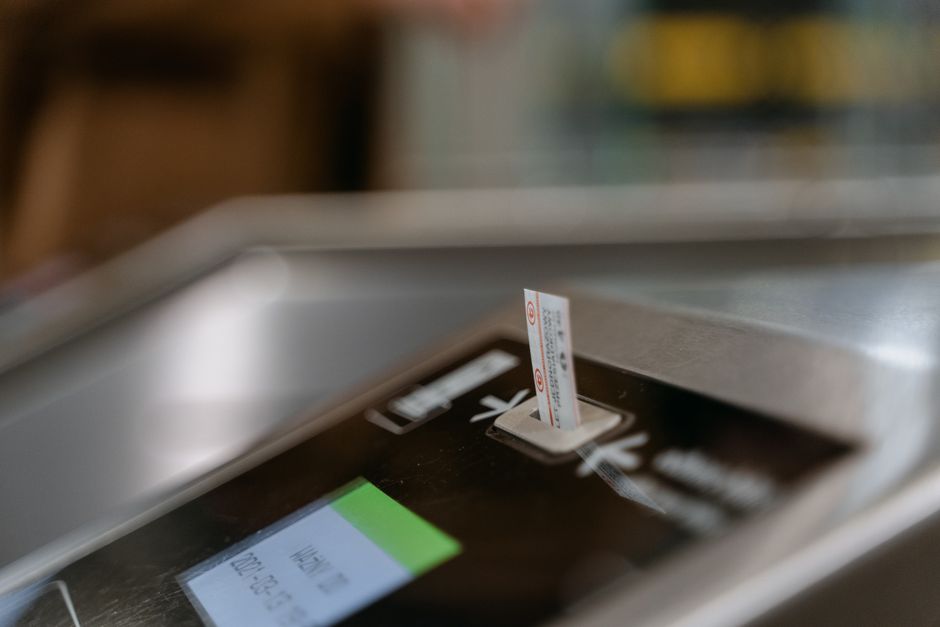
Buy tickets at the station or online (Belgian Railways website). A 10-journey card works on intercity trains too, saving money if you're doing multiple trips.
Other Possible Day Trips
Antwerp: Larger city north of Brussels, 40 minutes by train. Good museums, interesting architecture, less touristy than Bruges. Worth considering if you have extra time.
Mechelen: Small city between Brussels and Antwerp, 20 minutes by train. Less famous but charming. Good if you want a quieter option.
Leuven: University town east of Brussels, 30 minutes by train. Young vibe, good beer culture, worth a visit if you care about that scene.
Real Talk
Day trips are doable but require discipline. You lose time on trains. You'll see things quickly. If you hate rushing, stay in Brussels and take it slow.
But if you want to see more of Belgium, these trips are easy and worthwhile. Bruges and Ghent are genuinely worth a visit. Waterloo if history matters to you.
Master Brussels in Minutes
Don't waste hours planning. Get our condensed, digital cheat sheet with everything you actually need.
Shop Guide on Etsy →