ConciseTravel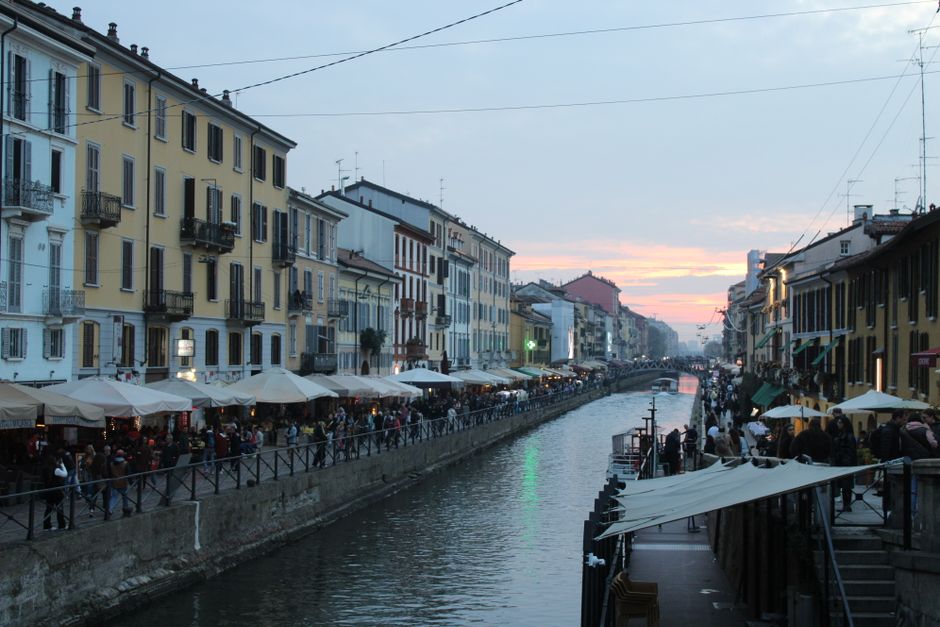
Milan's bike-share system (BikeMi) is excellent and far cheaper than taxis. The Navigli canals offer serene routes away from cars. The streets, though? They'll test your nerve. Here's how to cycle Milan without becoming hood ornament statistics.
BikeMi: How the System Works
BikeMi operates over 4,300 bikes across 340+ stations throughout Milan. You can rent any station and return to any other. The bikes are sturdy, single-speed, come with fixed baskets, and are designed for short, urban trips, not speed.
Cost: €5 for 1 day (24 hours), €10 for 3 days, €15 for a week. Single rides are €2, but day passes are smarter if you plan more than 2–3 rides.
How to rent:
- Download the BikeMi app or visit a station kiosk.
- Register with email, card, and phone.
- At the station, scan the QR code on your chosen bike via the app.
- The lock opens automatically; you're ready to go.
Return by docking at any station. The app shows station availability in real-time.
Gotchas: The bikes are heavy (about 24kg). They handle like furniture carts. Don't expect speed. Also, if you return a bike outside its dock (even partially), you'll pay a €20 fine. Dock properly.
The Navigli Route: Why It Matters
The Navigli canals run through Milan's southwest quadrant. Built by Leonardo da Vinci (in part), they once connected Milan to Switzerland. Today they're the city's most underrated feature: quiet, green, bohemian-feeling, completely separate from traffic.
The route: Start near Piazza XXIV Maggio (a major hub). Cycle south along the canal, following the towpath. You'll pass bookshops, vintage markets, cafes, and actual locals on bikes. By evening, the canal becomes Milan's nightlife artery, bars with outdoor seating, live music, aperitivo crowds.
Distance: A full loop takes about 5km and 20–25 minutes at a leisurely pace.
Why cycle it: You see Milan that tourists miss. The canal-side communities are authentic. The light, especially evening, is golden and worth every pedal stroke.
Milan's Streets: The Reality Check
Milan's drivers are aggressive. Bike lanes exist but are inconsistently maintained. Potholes appear without warning. Red lights are suggestions. Pedestrians step into bike paths without looking.
How to stay alive:
- Wear visible clothing. High-viz vest or bright colors. Milan's pollution and overcast skies reduce visibility. Make yourself obvious.
- Use lights. Even in daylight. Front and rear lights make you visible to cars turning across your path.
- Stay in marked lanes. When they exist, use them. When they disappear, move to the sidewalk or slow down and take the lane (yes, you're allowed to ride in the road, though locals often don't).
- Assume drivers don't see you. Make eye contact with drivers at intersections. Don't assume a car turning left sees your bike approaching.
- Avoid rush hours. 7–9am and 5–7pm are chaos. Cycle mid-morning or mid-afternoon.
- Walk your bike in congested areas. If you're unsure, get off and walk. There's no shame.
Best Cycling Routes Beyond the Canals
Parco Sempione: North of Castello Sforzesco. A dedicated park with car-free cycling paths. Perfect for casual, stress-free riding. Rent a bike and spend an hour here rather than battling streets.
Corso Buenos Aires: A major shopping street with a divided bike lane. It's busy but dedicated and relatively safe. Useful if you're cycling to the eastern neighborhoods.
Along the Ring: Milan's outer ring road (Circonvallazione) has some sections with decent bike lanes. Less scenic than Navigli but functional for longer routes.
Avoid entirely: The area between Duomo and Sforza. Too many pedestrians, taxis, buses. Walking is faster and safer than cycling.
Practical Tips
Lock your bike properly. Even with BikeMi's docks, if you leave a personal bike unattended, assume it will be stolen. Use a U-lock and lock the frame to a fixed object.
Bring a helmet. Italy doesn't legally require helmets for adults, but the streets don't care about the law. Protect your head.
Plan your route beforehand. Use Google Maps and toggle the "bike" layer. It shows bike lanes and bike-friendly streets. The BikeMi app also shows stations, which is useful for route planning.
Expect to walk sometimes. Even locals dismount on busier streets. Cycling Milan isn't about speed; it's about experiencing the city.
When to Cycle vs. Metro vs. Walk
- Under 2km: Walk. Faster and you see more.
- 2–5km, safe route (Navigli, parks): Bike. Cheap, pleasant, local.
- 5–10km or rush hour: Metro. You'll arrive faster and less stressed.
- Late evening or unfamiliar area: Taxi or Uber. Safety isn't worth the €15 saved.
The Bigger Picture
Cycling is how locals move through Milan. It's a legitimate transport choice, not an adventure sport. The Navigli route in particular, that's where you'll feel Milan as a living city, not a tourist site.
For a full sense of where to cycle, which neighborhoods support bikes, and how cycling fits into a day itinerary, our Milan guide covers it. But if you want a single afternoon that feels authentically Milanese, rent a BikeMi and follow the Navigli to the southwest. Stop for coffee, linger at dusk, watch the bars fill up. That's the real Milan.
Master Milan in Minutes
Don't waste hours planning. Get our condensed, digital cheat sheet with everything you actually need.
Shop Guide on Etsy →