ConciseTravel
Amsterdam has more bikes than people. That's not a fun fact, it's a warning. When you rent a bike here, you're not a tourist on a novelty ride. You're joining a functional transport system used by locals who commute, carry groceries, and ferry children at speed. Getting it right from day one makes the whole trip smoother.
Get the Right Bike First
Most rental shops offer basic city bikes with a basket, a bell, and coaster brakes (you stop by pedalling backwards). Some shops offer geared bikes for longer rides or e-bikes if you want less effort. For central Amsterdam, a simple city bike is fine. The distances are short and the roads are flat.
Avoid renting from shops that look temporary or are staffed by persistent touts near major attractions. Go with an established rental shop, ask about the lock, and check the brakes before you leave.
Stick to the Cycle Lane
Amsterdam's cycle lanes (fietspad) are red-surfaced paths running alongside or separate from car traffic. They are not part of the pavement. Walking in them is how you become the villain of someone else's Amsterdam story.
As a cyclist, stay in the cycle lane and not the road unless you have no choice. If you're riding slowly, keep right so faster cyclists can pass. Locals ride quickly and with confidence. Match their pace as best you can or stay out of the flow.
Signals Matter
Hand signals are still used in Amsterdam. Left arm out means turning left. Right arm out means turning right. Nobody will shout at you for forgetting, but they will ring their bell, and the bell here is not a warning, it's a statement.
At junctions, look for the dedicated cycle traffic lights. These are smaller signals at bike height and cycle paths have their own phasing. Don't jump them. Inspectors watch popular junctions and fines apply.
What Tourists Get Wrong
Phones. Riding with a phone in hand is illegal and will get you a fine. If you need navigation, use a handlebar mount or memorise the route before you set off.
Helmets. Unlike many countries, helmets are not required for regular city cycling in the Netherlands. Locals rarely wear them. You can if you want to, nobody will judge, but don't rent a cheap foam helmet under pressure from a rental shop charging extra for it.
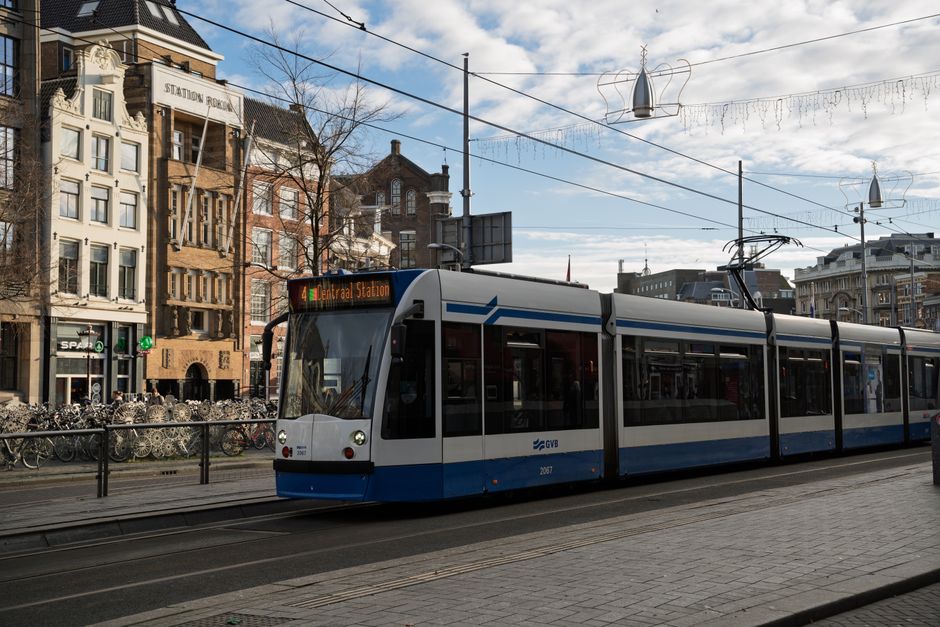
Tram tracks. Tram rails run across many streets at angles that can catch thin wheels. Cross them at a wide angle (roughly 45 degrees or more) to avoid getting your tyre stuck. This trips up a lot of visitors.
Locking up. Lock your bike to something fixed, not just to itself. Use the built-in frame lock and an additional chain if the rental shop provides one. Bike theft is common enough that a single lock is not a deterrent.
Riding at Night
Lights are required by law after dark. Most rental bikes have dynamo lights built in. Check they're working before you leave the shop. Riding without lights will get you stopped.
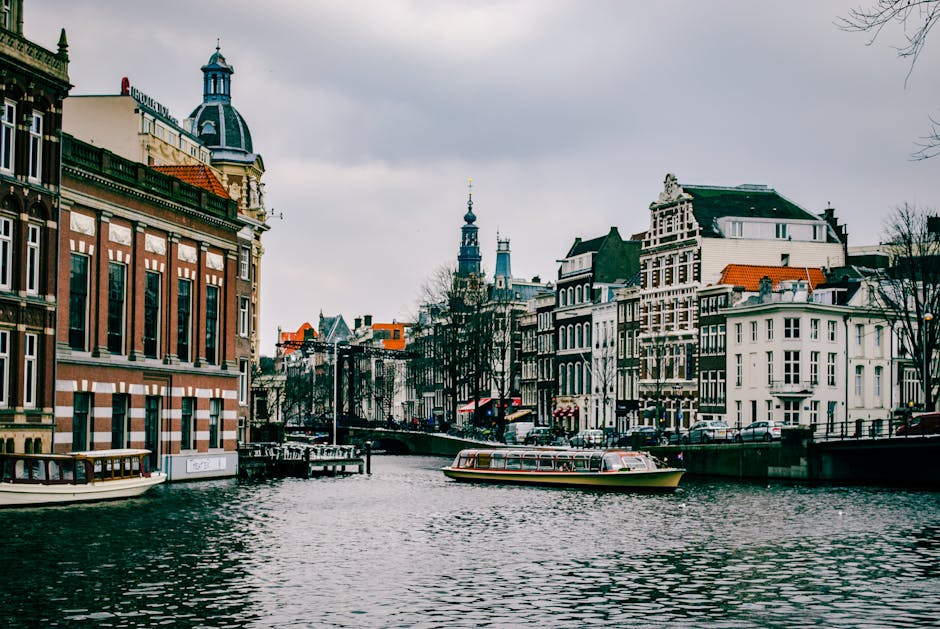
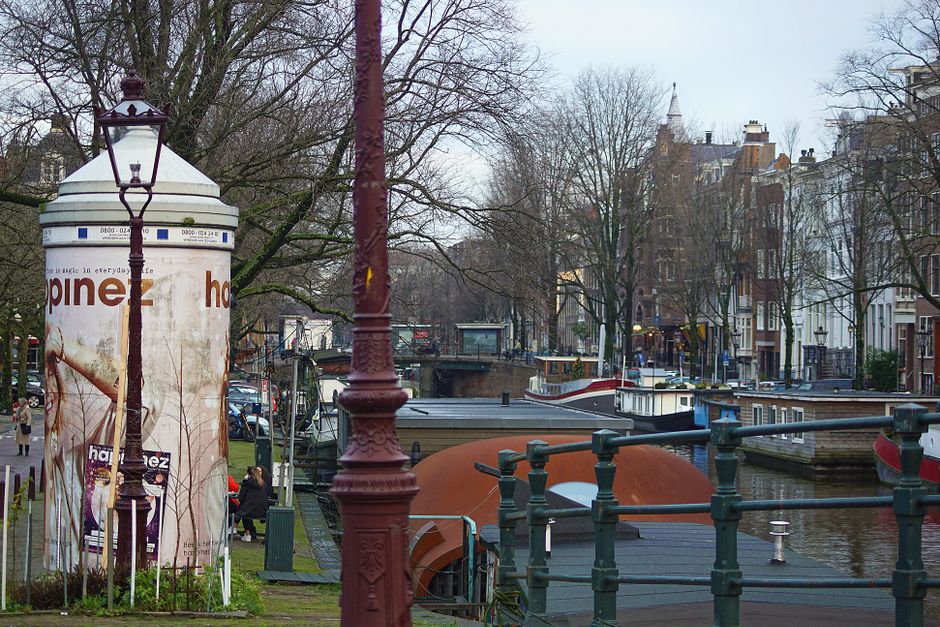
The city feels different at night on a bike. Quieter, more interesting, worth doing at least once. Just be more careful at canal bridges where visibility drops and the road narrows.
When Not to Cycle
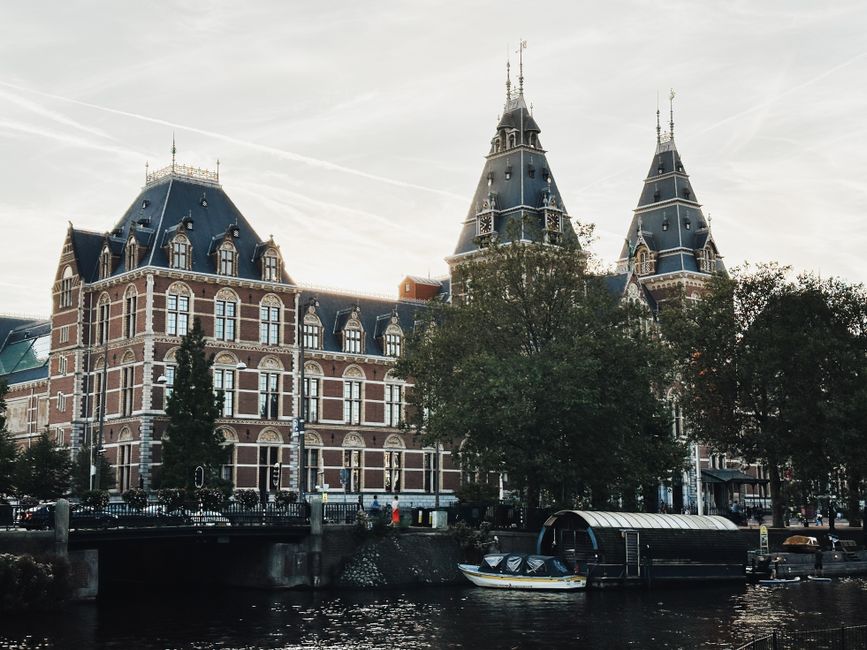
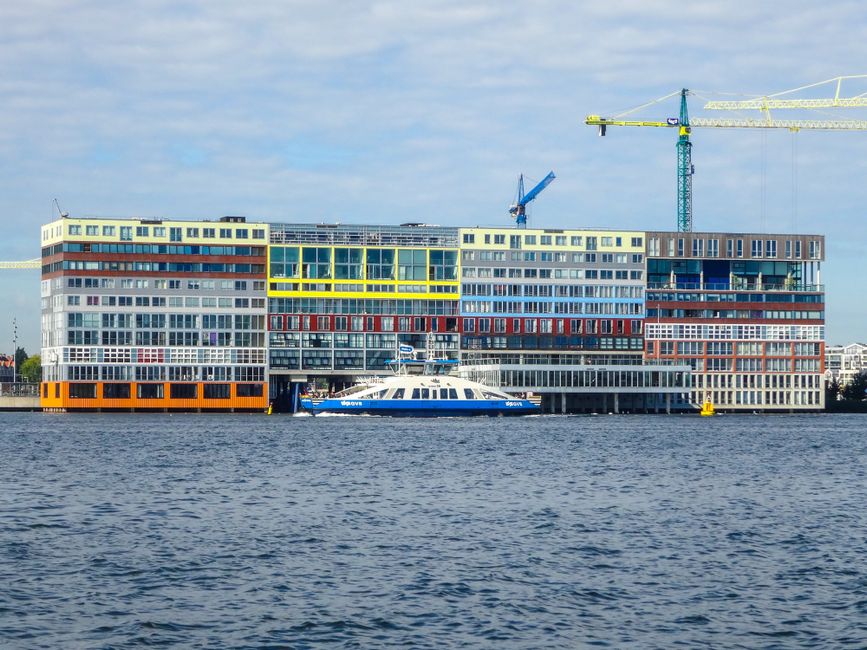
Heavy rain, thick tourist crowds near Museumplein in high season, and areas with a lot of tram activity can make cycling more trouble than it's worth. For those moments, the trams and metro cover most of the city and the free IJ ferries are a good way north.
Our Amsterdam guide breaks down every transport option with routes and timing so you can switch between modes without guesswork.
Master Amsterdam in Minutes
Don't waste hours planning. Get our condensed, digital cheat sheet with everything you actually need.
Shop Guide on Etsy →