 ConciseTravel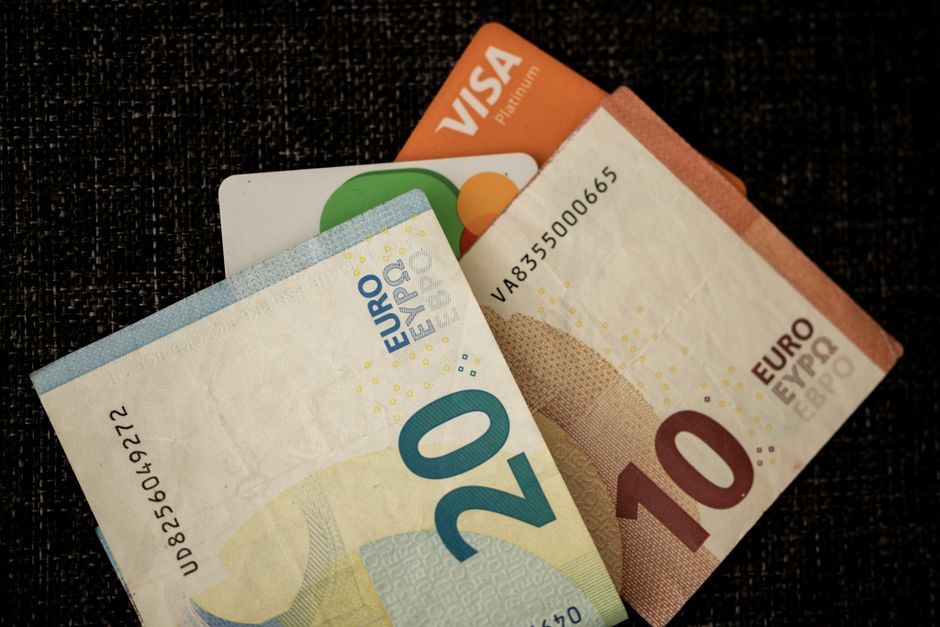
Contactless payment works well in most major European cities. But "most" is doing a lot of work in that sentence. There are predictable gaps, and running out of cash in the wrong place at the wrong time is an avoidable problem.
Where Cards Work Without Issues
Western and Northern European cities are largely card-friendly. Amsterdam, Copenhagen, Stockholm, London, Dublin, Paris, Lisbon, and most of their equivalents accept contactless Visa and Mastercard at cafés, restaurants, supermarkets, museums, and transport systems.
In Scandinavia, cash is effectively obsolete: Sweden and Norway are among the most cashless societies in the world. Carrying cash there is unnecessary and occasionally impossible to spend.
Germany is the main Western European exception. Many German restaurants, cafés, bars, and smaller shops remain cash-preferred or cash-only. Berlin has improved substantially in recent years, but "Nur Barzahlung" (cash only) signs still appear regularly, especially in traditional restaurants, outdoor markets, and smaller venues.
Where You Will Still Need Cash
Markets almost universally prefer or require cash. Whether it is the Naschmarkt in Vienna, Porta Portese in Rome, or a Christmas market in Cologne, expect to pay in cash.
Small, family-run restaurants and traditional bars in Southern and Eastern Europe: parts of Italy, Greece, and the Balkans still operate with cash as the default for smaller bills.
Tips: most European card machines do not prompt for tips the way UK or American ones do. If you want to tip (not obligatory in most of Europe, but appreciated in restaurants), cash is the cleanest way to do it.
Taxis: licensed metered taxis in many European cities technically accept cards, but have been known to claim the machine is broken. Always have cash as a backup for taxi fares.
Always Carry €20-30
This is the standing rule. Even in the most card-friendly cities, you will encounter a street food stall, a market vendor, a church with an entry donation, or a local bar that does not take cards. €20-30 in local currency solves every one of those situations.
Get cash from an ATM on arrival, not a bureau de change. Use your bank's in-network ATM or a major bank ATM (not a Euronet or independent machine at the airport) to avoid fee surcharges. Revolut and Starling customers can withdraw cash abroad with no fee up to a monthly limit.
Apple Pay and Google Pay
Both work wherever contactless is accepted and are generally more reliable than the physical card, as they do not require the card to physically touch the reader correctly. The contactless limit varies by country and terminal, but for most purchases it covers your needs. For larger amounts, you may be asked to insert the card and enter a PIN.
Carry the physical card as a backup. Technology fails occasionally and an app that will not load is not a useful form of payment.