ConciseTravel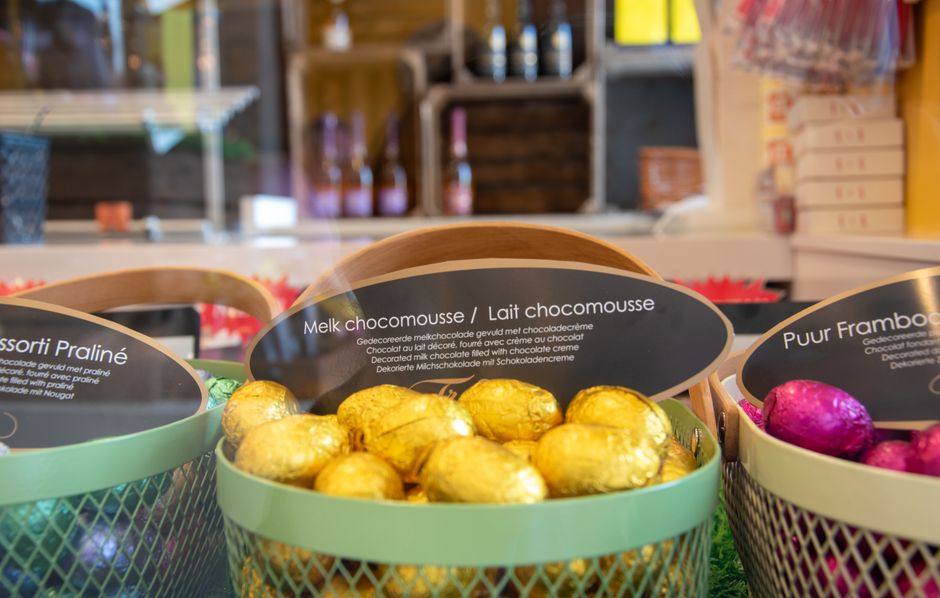
Belgian chocolate is famous for a reason. It's genuinely excellent: high cocoa butter content, skilled craftsmanship, and a strong tradition going back centuries. Brussels is the capital of Belgian chocolate.
But here's the trap: not all chocolate branded "Belgian" is actually good. Some is mass-produced tourist tat. Knowing the difference separates a great chocolate experience from a sugar-heavy waste of money.
What Makes Belgian Chocolate Different
History: Belgium has been making chocolate since the 1800s. The tradition is deep and taken seriously.
Cocoa butter content: Belgian chocolate law requires a minimum cocoa butter percentage. That matters. Higher cocoa butter = smoother, better melting, better flavor. It's the difference between luxury and commodity chocolate.
The Praline: Belgium perfected the filled chocolate (praline). A shell of chocolate filled with ganache, mousse, nut paste, caramel, or other centers. The quality depends on the center filling and the tempering of the shell.
Craftsmanship: The best chocolatiers make pralines by hand daily. You'll see them working in the shop window. This matters because fresh pralines (made within days) are noticeably better than mass-produced ones stored in warehouses.
The Authentic vs. Tourist Trap
Authentic: Small chocolateries making pralines daily. Located in residential neighbourhoods or quieter commercial areas. Minimal corporate branding. Often family-owned for generations.
Tourist trap: Large chocolate shops with window displays near the Grand Place. Mass-produced pralines. Premium pricing. Beautiful packaging, mediocre product.
Best Chocolatiers in Brussels
Neuhaus: Founded 1857. They invented the modern praline (filled chocolate in a shell). They're expensive, but it's not pure marketing—the quality is high. Multiple locations, including fancy ones in the Grand Place area and more casual ones in neighbourhoods. Go to a neighbourhood location to avoid the tourist premium.
Godiva: Luxury brand, also Belgian (though now international ownership). Quality is high but it's more about brand than uniqueness. You can get Godiva anywhere.
Leonidas: More affordable than Neuhaus or Godiva. Wider flavour range. Quality is solid, not exceptional. Good middle-ground option.
Côte d'Or: Mass-market chocolate (not pralines, just bars). Decent quality, available everywhere. Not special, but reliable.
Local artisans: This is where it gets good. Every neighbourhood has small chocolatiers making fresh pralines. These are usually better than the big brands and cheaper. Ask your hotel or locals for recommendations.
How to Choose (When You're in a Shop)
Look for "Daily Production": If they advertise that pralines are made fresh daily, that's a sign of quality.
Check the window: Are they making pralines visibly? Are there people working in the back? That's real artisanal operation.
Packaging matters (slightly): Fancy packaging drives up price but doesn't affect taste. If you're buying for yourself, skip it. For gifts, it matters.
Taste preference: This is personal. Common fillings are:
- Ganache (smooth, rich, dark chocolate base)
- Mousse (light, airy)
- Praline paste (ground nuts, caramel)
- Nougat (chewy, airy)
- Caramel (sweet, buttery)
- Fruit-based (acidic, refreshing)
Most shops let you taste before buying. Do this.
Cost: Expect €20-40 per 200g box for quality pralines from a real chocolatier. Mass-market brands (Godiva, Leonidas) are €25-35. Tourist shops near the Grand Place are €30-50+ for the same product.
Where to Buy
Neuhaus flagship store (Grand Place area): Quality is guaranteed but pricey because of location. If you go, buy at a neighbourhood location instead.
Leonidas locations: Widespread, consistent, mid-range pricing. Solid choice if you don't know better.
Rue des Bouchers (near Grand Place): Multiple chocolate shops. They're all overpriced, but if you're already there, grab something. Quality varies.
Ixelles: Walk around and find a small chocolaterie. Neighbourhood shops are cheaper and often better than the famous ones.
Local markets: Some weekend markets have artisanal chocolatiers with excellent products at fair prices.
Supermarkets (Carrefour, Delhaize): If you want cheaper, decent chocolate bars or basic pralines. Not as special as an artisanal shop, but passable.
The Gold Standard
Go to a small artisanal chocolaterie in a neighbourhood (Ixelles, Sablon, Marolles). Talk to the staff. Taste some. Buy a box. Pay €25-35. Eat them fresh. That's the experience.
Don't spend €50 on Godiva at the Grand Place because it's famous. Spend €30 on pralines from a two-person family shop in Ixelles. You'll have a better story and better chocolate.
Practical Reality
You don't need expensive chocolate to have a good chocolate experience in Brussels. Chocolate is everywhere, and decent quality is standard. Even mass-market Leonidas is good. The difference between €25 and €50 pralines isn't night-and-day—it's the difference between "very good" and "exceptional."
Unless you're a chocolate fanatic, a box of Neuhaus or a local artisan's pralines (€25-35) is sufficient. Don't overspend on brands.
Storage and Eating
Pralines are best eaten within a week of purchase (they dry out). Keep them in a cool, dark place (not the fridge—cold makes chocolate brittle). Eat at room temperature for best flavour.
If you're bringing them home: buy them the day before departure. They'll last a few days in travel.
Master Brussels in Minutes
Don't waste hours planning. Get our condensed, digital cheat sheet with everything you actually need.
Shop Guide on Etsy →