ConciseTravel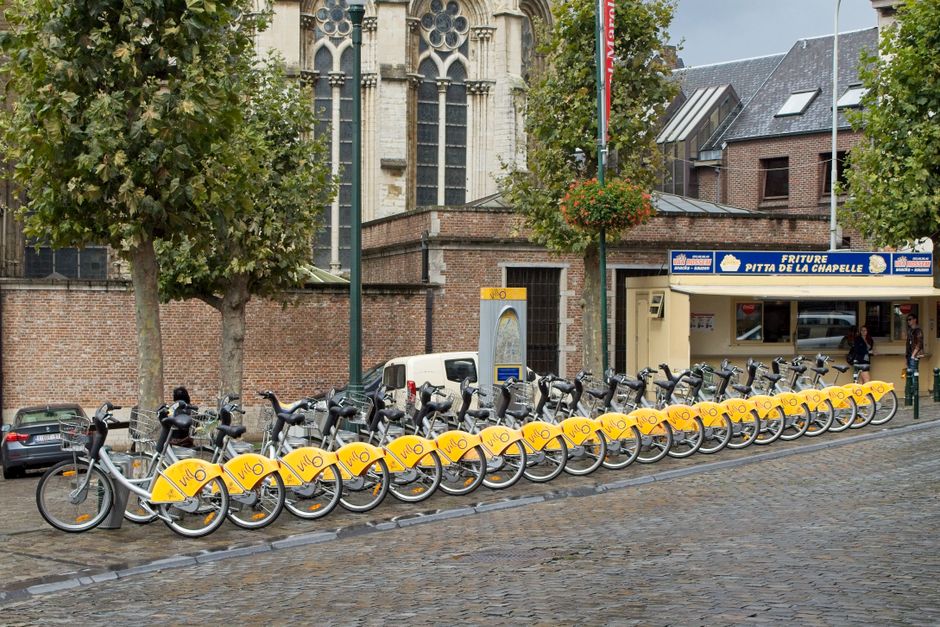
Brussels is one of Europe's most underrated cycling cities. The infrastructure is solid, the terrain is flat, and Villo! (the city's bike-sharing system) makes it dead simple to rent a bike for €5-8 per day. Yet most tourists never try it, which is their loss and your gain.
I bike everywhere in Brussels. It's faster than the tram for short distances, cheaper than a taxi, and you actually see the city instead of watching it blur from inside a metro tunnel.
How Villo! Works
Villo! has about 450 stations scattered across Brussels and some neighbouring towns. The app (or website) shows you station locations and bike availability in real time. Here's the process:
- Download the Villo! app or go to villo.be
- Create an account (Google/Apple/email)
- Add a payment method
- Find a station with bikes, unlock one via the app
- Ride
- Return it to any station when you're done
Pricing: €5 for a 24-hour pass (unlimited rides, each ride up to 30 minutes) or €8 for 72 hours. If you go over 30 minutes, you pay extra, but honestly, you won't. Brussels is compact—you can cross most of the city in 20 minutes by bike.
The bikes themselves are solid. They're heavy city bikes with internal gears (no chain grease on your trousers), lights, a basket, and puncture-resistant tyres. They're not racing bikes. They're practical and slow, which is fine.
Where to Cycle
The Good Routes:
Brussels' city centre (from Gare Centrale to Sablon to EU Quarter) is eminently bikeable. Wide streets, decent infrastructure, and flat terrain. The ride from the Grand Place to Parc de la Citadelle (north) is pleasant and takes about 15 minutes.
Ixelles is brilliant by bike. Rue de Longue Vie and the side streets around Lac d'Ixelles are tree-lined and quiet. Head east toward Woluwe and you're in actual parks—totally different vibe from the city centre.
The ride along the Canal toward Anderlecht is underrated. It's longer (20-30 minutes depending on your starting point) but incredibly peaceful, especially in the morning or early evening. You pass through neighbourhoods that tourists never see.
The Rough Bits:
Avoid cycling near the Gare du Midi and the areas south and east of it. The roads are chaotic, the traffic is heavy, and the infrastructure is less developed. Stick to the central zones unless you're confident navigating chaotic traffic.
Cycling late at night isn't dangerous, but it's dark and the paths aren't always clearly lit. Stick to main streets after 9pm.
Practical Realities
Traffic: Belgian drivers are decent, and bikes are common enough that you're not a novelty. That said, stay alert. Watch for tram tracks (your wheel can catch) and cars turning without looking.
Hills: Brussels is flat. Genuinely. You won't encounter anything that requires effort.
Weather: Rain is common. The bikes have mudguards, but you'll get wet. Either embrace it or check the forecast. Villo! stations are everywhere, so you can always abandon the bike and take the metro.
Tourists: Don't cycle on the pavement or through pedestrian zones near the Grand Place—locals will give you looks and you deserve them. Stick to roads.
Locks: The Villo! bikes come with locks (built into the frame). You can lock them to poles/fences if you want to stop for coffee, but the idea is you return them to a station. Leaving a Villo! bike unattended is asking for trouble.
Routes I Recommend
Grand Place to Sablon (20 minutes): Gentle, mostly downhill, ends at a stunning square with antique shops and cafés.
EU Quarter Loop (45 minutes): Start at Trône, head east toward Parc du Cinquantenaire, loop north through Woluwe, come back via the Berlaymont. You'll see the political heart of Brussels and it's quieter than you'd expect.
Canal Path to Anderlecht (60 minutes return): Take the canal northwest from Gare du Midi, ride along the waterfront, explore Anderlecht's working-class charm, come back. This is the Brussels that guidebooks ignore.
Ixelles and Lakes (30 minutes): Start at Ixelles metro, rent a bike, head straight for Lac d'Ixelles. Cycle around the lake, explore the side streets, grab lunch at one of the cafés. Perfect half-day itinerary.
Mishaps and Fixes
Flat tyre or mechanical issue: Use the app to report it or call the Villo! helpline. You're not liable—it's their problem. Don't try to DIY unless you know what you're doing.
Lost the bike: This is harder to fix. If you lose a bike, you're liable for the replacement cost (roughly €800). Don't lose the bike. Return it to a station.
Can't find a station or bike availability: The app updates in real time. If a station is full, ride to the next one. Stations are typically 300-500 metres apart.
When Not to Use Villo!
If you're carrying a lot of luggage, skip the bike. The basket fits a small bag, not a suitcase.
If you're not confident cycling in European traffic, the tram is safer. No shame—city cycling takes adjustment.
If it's lashing rain and you're in formal clothing, take the metro.
The Real Talk
Cycling in Brussels is genuinely better than public transport for short distances (under 30 minutes). You move faster, you see more, and you spend less money. The Villo! system is well-maintained and honest. You'll pay what you expect to pay, and the bikes work.
Tourists tend to ignore this option, which means you'll have the lanes mostly to yourself. Use that advantage.
Master Brussels in Minutes
Don't waste hours planning. Get our condensed, digital cheat sheet with everything you actually need.
Shop Guide on Etsy →