 ConciseTravel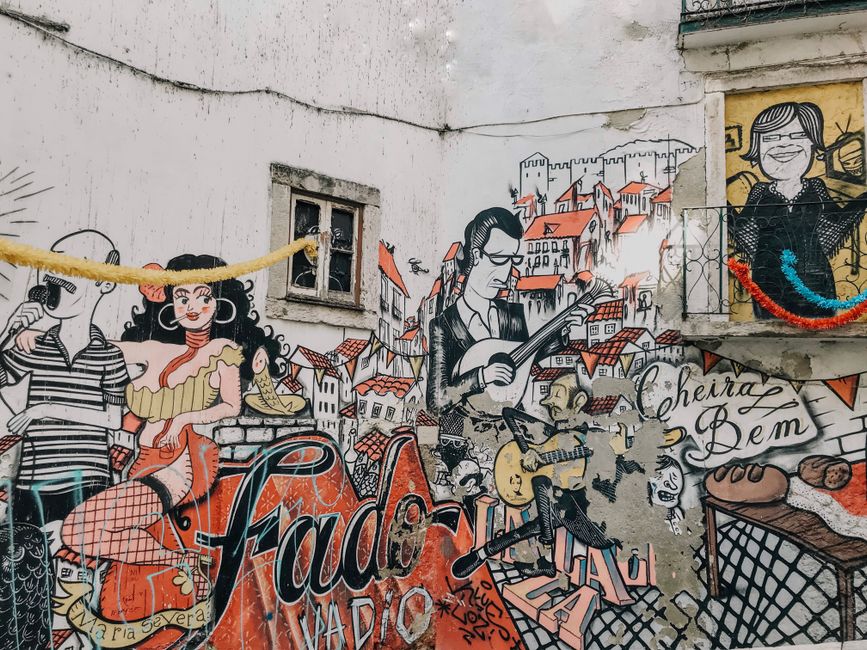
Europe's underground scenes don't live in tourist brochures. They live in repurposed factories, basement galleries, and neighbourhoods that haven't been fully gentrified yet. These six cities still have enough grit to support something genuine.
The Cities
Berlin
Berlin is the benchmark. Decades of cheap rent, post-reunification vacancy, and a deliberate refusal to clean everything up gave the city's underground scene room to breathe and root. Kreuzberg and Neukölln remain the spiritual centre: squat-turned-cultural-centres, experimental galleries operating out of Hinterhöfe (back courtyards), and a political art tradition that treats the street as a canvas. The scene isn't just music. Film collectives, queer performance art, zine culture, independent radical bookshops — it's dense and serious.
Best for: The full countercultural ecosystem, not just one strand of it.
Lisbon
Lisbon's alternative culture is quieter but stubborn. Mouraria and Intendente, once the rough edge of the city, now hold a mix of grassroots arts spaces, migrant community culture, and musicians doing things to fado that traditionalists hate. LX Factory in Alcantara is the obvious entry point, but the more interesting stuff happens in collectives operating out of old tile factories and community gardens in Mouraria. The city resists the brand of cool it keeps being handed.
Best for: Underground culture with a melancholy, specifically Portuguese edge.
Budapest
Budapest has a well-developed ruin bar scene, but look past that and there's a serious alternative culture underneath. The VIII district around Corvin-negyed is where independent theatre, radical politics, and underground music converge. Guerrilla art has been active here for years, partly as a response to the political climate. The DIY venue scene is real and dense — studios, small presses, community cinemas — and gets almost no coverage in mainstream travel writing.
Best for: Alternative culture with genuine political urgency.
Copenhagen
Copenhagen doesn't look underground at first glance. It's clean, expensive, and tasteful. But Vesterbro and Nørrebro carry a long tradition of squatter culture that produced Freetown Christiania, the self-governing community that has operated since 1971. That experiment is the most sustained piece of countercultural infrastructure anywhere in Europe. Beyond Christiania, Nørrebro hosts independent music venues, political collectives, and a migrant arts scene that the city's glossy design reputation actively obscures.
Best for: The world's most durable experiment in alternative community living.
Warsaw
Warsaw is underrated as an alternative culture destination. The Praga district on the east bank of the Vistula held out against gentrification longer than most, and what grew there — artist studios, independent galleries, queer spaces, experimental music venues — is genuinely rough-edged. The city's complicated history of destruction and reconstruction gives its underground art a weight you don't find in more comfortable capitals. The alternative scene here earns its edge.
Best for: Underground culture shaped by history rather than brand identity.
Athens
Athens in the past decade has produced one of Europe's most interesting alternative scenes, partly out of necessity. Economic crisis, political tension, and waves of migration created pressure that alternative culture tends to feed on. Exarcheia remains the radical heart of the city: anarchist bookshops, self-organised social centres, street art that responds to events in real time. It's not comfortable, and it's not curated. That's the point.
Best for: Raw, politically charged underground culture with nothing to prove.