 ConciseTravel
Proximity to water is necessary but not sufficient. The best seafood cities in Europe have supply chains measured in hours not days, cooking traditions that treat fish as a centrepiece rather than a backup option, and market cultures that make the quality of what's available obvious before it reaches a plate. These cities have all three.
The Cities
Lisbon, Portugal
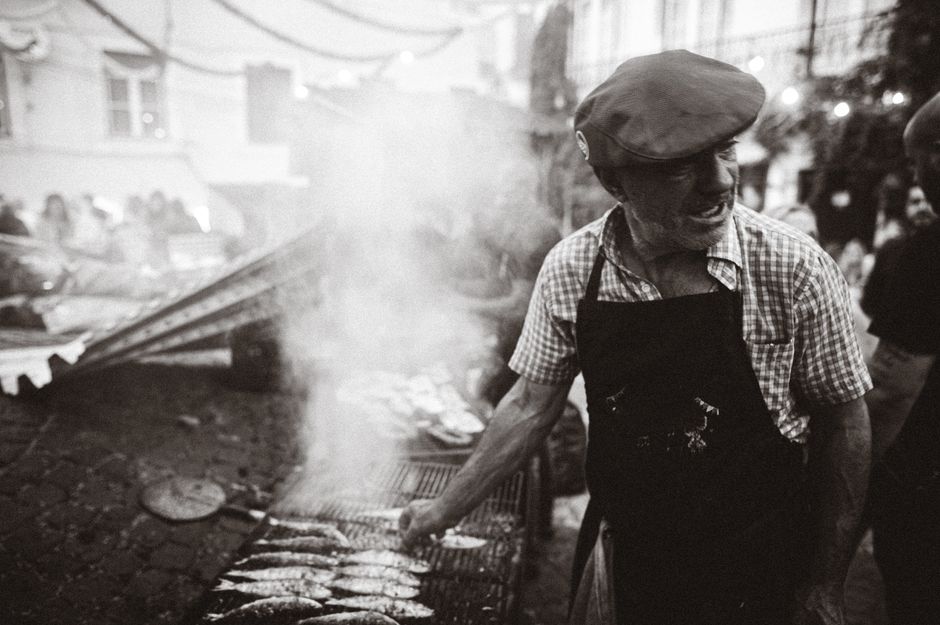
Lisbon's relationship with seafood is cultural and historical, not just geographical. The city faces the Atlantic, sits near the mouth of the Tagus, and has a fishing tradition that runs through its entire culinary identity. Grilled whole fish, simply done, is the signature mode: the sardine in particular is practically a city symbol, and the grilling season from June through September turns whole neighbourhoods aromatic. Bacalhau, the salt cod that predates refrigeration, remains the most versatile ingredient in Portuguese cooking, appearing in dozens of preparations across every price point.
Best for: Travellers who want seafood as a cultural experience, not just a meal, and who appreciate simplicity over elaborate preparation.
Porto, Portugal
Porto doubles down on the bacalhau obsession: the city reputedly has 365 preparations, one for every day of the year. Beyond that single ingredient, the Matosinhos district immediately north of Porto is one of the best seafood neighbourhoods in Europe, a cluster of no-frills tascas and grillhouses where the catch arrives from the Atlantic in the morning and hits the grill by lunchtime. The quality-to-price ratio in Porto is exceptional, and the city rewards wandering into places where the menu isn't in English.
Best for: Serious seafood eaters who want high quality, low pretension, and authentic local culture without tourist-facing polish.
Naples, Italy
Naples approaches seafood with the confidence of a city that doesn't need to explain itself. The Gulf of Naples provides excellent produce, and the local tradition runs from raw seafood eaten standing at a market stall to the fritto misto di mare that appears in every serious trattoria. Neapolitan cuisine is not delicate, and the seafood matches that character: bold, intensely flavoured, served fast. The fish market at Porta Nolana is one of the most viscerally alive food experiences in Europe.
Best for: Travellers who want Mediterranean seafood with genuine intensity and a city culture that surrounds the eating.
Valencia, Spain
Valencia is where Spanish seafood cooking reaches its apex. The city invented paella, and the original version is a rice dish built on chicken and rabbit, but the seafood adaptations, particularly arroz a banda (rice cooked in fish stock and served separately from the fish) and fideuà (the noodle version), are among the most technically accomplished seafood dishes in European cooking. The Mercado Central is extraordinary for understanding the produce, and the La Malvarrosa beachfront restaurant strip is the right place to eat it.
Best for: Travellers who want to understand Spanish seafood rice cooking in the city that invented it.
Dublin, Ireland
Dublin's position on this list is less obvious but defensible. The Irish Sea and Atlantic produce exceptional shellfish, particularly oysters from the west coast, mussels, and Dublin Bay prawns that have a reputation among serious food people well beyond Ireland. The city's restaurant scene has caught up with the quality of the produce over the last decade, and the fish markets are genuinely excellent. This is not the Mediterranean seafood experience; it's cold-water, briny, and intense in a completely different way.
Best for: Shellfish obsessives, particularly oyster and prawn lovers, who want cold-water Atlantic produce at its best.
Istanbul, Turkey
Istanbul's Bosphorus location makes it one of the great fish cities of the world, and the local eating culture reflects this. The city has entire neighbourhoods built around fish restaurants, the ferry ports smell permanently of grilled mackerel, and the morning fish markets along the Golden Horn set the standard for freshness. The Balık ekmek (fish sandwich) eaten on the Galata Bridge is one of European street food's genuine originals. Turkish seafood cooking uses far fewer ingredients than Mediterranean traditions and lets the fish speak with more directness.
Best for: Travellers who want a culturally distinct seafood tradition and a city where fish eating is woven into everyday urban life.