 ConciseTravel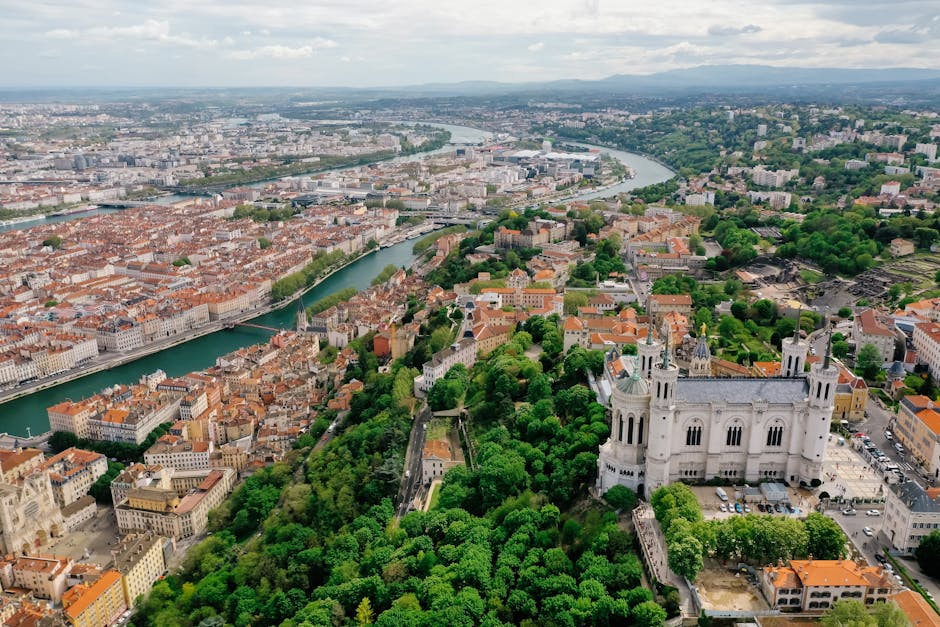
The city you choose to learn a language in matters as much as the school. Locals who actually speak the language you're learning, a neighbourhood life that forces you to use it, and enough city infrastructure to keep you engaged for weeks: these factors separate a genuinely immersive experience from a glorified holiday with homework.
The Cities
Seville, Spain
If Castilian Spanish is the goal, Seville is the best city in Europe to learn it. The accent is clear and unhurried compared to Madrid, locals are engaged and patient with learners, and the city's tapas bar culture creates hundreds of daily low-stakes conversation opportunities. Seville also has the advantage of being compact enough that you can build a neighbourhood routine within a week. The university district keeps a young, international energy without tipping into the kind of tourist bubble that lets you avoid Spanish entirely.
Best for: Beginners learning Spanish who want maximum immersion at a comfortable pace.
Barcelona, Spain
Barcelona is more complicated linguistically: you'll encounter Catalan signage and a culture where some locals lead with Catalan first. But for Spanish learners this friction is actually useful, and the city's size and cosmopolitan character means high-level Spanish is everywhere in service, business, and nightlife. The language school infrastructure here is genuinely excellent, with a well-established market of accredited schools in the Eixample and Gracia districts. The social scene is energetic enough that you'll use what you learn the same evening you learn it.
Best for: Intermediate Spanish learners who want a bigger city experience alongside the study.
Lyon, France
For French, Lyon beats Paris. The capital is full of English speakers, the pace is relentless, and locals often switch to English the moment they sense hesitation. Lyon is less forgiving in the best possible way: your French actually gets used, and the city's bouchon restaurant culture is an excellent forcing function. The city is large enough to have quality language schools but not so large that you can disappear into anglophone comfort. It's also significantly cheaper than Paris, which matters when you're there for a month.
Best for: French learners who want genuine immersion rather than a Parisian experience where English is the path of least resistance.
Berlin, Germany
Berlin is the logical starting point for German learners, though not for the obvious reason. The city has an enormous population of learners and recent arrivals who are all doing exactly what you're doing, which creates a social infrastructure around language exchange and Tandem partnerships. The Volkshochschule system offers affordable, high-quality courses integrated into the city's public education structure. Berlin also tolerates linguistic imperfection with grace; it's not the most patient city for German, but it is the most encouraging.
Best for: German learners who thrive in urban environments and want to combine study with a city that has serious cultural weight.
Krakow, Poland
Polish is notoriously difficult, but Krakow is the place to attempt it. The city has a large student population, a compact old town that rewards daily walking, and enough of a language school infrastructure to support serious study. More importantly, Polish genuinely does not work if you rely on English: away from the tourist centre, you need it. That pressure is motivating in ways that softer immersion cities aren't. The affordability makes an extended stay feasible for most budgets.
Best for: Committed learners taking on Polish, or anyone who wants a genuinely immersive environment where shortcuts aren't available.
Lisbon, Portugal
Portuguese is having a moment, partly driven by the Brazilian market but also by Portugal's own increasing appeal. Lisbon has developed a strong language school sector, the locals are warm with learners, and the city's hills and neighbourhoods create a natural daily circuit that generates repeated, casual language contact. European Portuguese is phonetically harder than Brazilian, which is actually a good thing for learners: master it here and you'll be understood everywhere.
Best for: Portuguese learners who want to learn the European version and do it in one of the continent's most liveable cities.