 ConciseTravel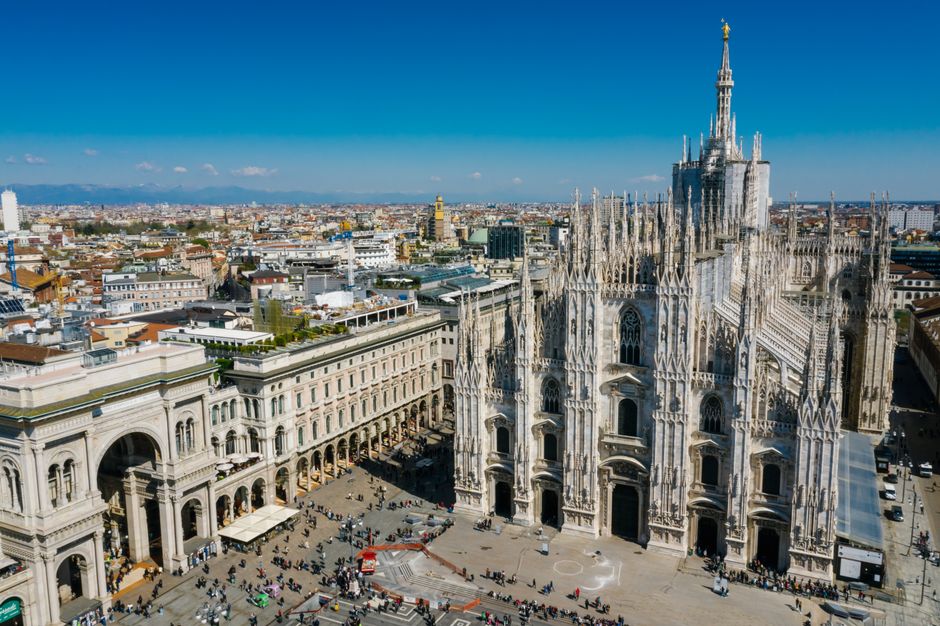
Fashion travel is not one thing. It includes couture houses, independent designers, vintage markets, streetwear culture, and the specific pleasure of a city where people dress well as a matter of course. The cities on this list each offer something distinct.
The Cities
Milan
Milan is the fashion capital and the title is not honorary. The Quadrilatero della Moda — the rectangle formed by Via Montenapoleone, Via della Spiga, Via Sant'Andrea, and Via Manzoni — contains a concentration of luxury fashion houses that no other city replicates. But Milan's fashion identity goes beyond the luxury quarter. The Tortona and Isola districts host the design and independent fashion scene; Corso di Porta Ticinese in the Navigli area is the streetwear and vintage strip. Fashion Week twice a year (February and September) reorients the entire city. Milan is the destination for people who take fashion seriously as an industry and an art form.
Best for: The full spectrum from haute couture to Italian streetwear, in the city that runs the industry.
Paris
Paris's fashion identity is inseparable from its cultural history. The Marais is the independent designer quarter — smaller labels, concept stores, and the most concentrated secondhand and vintage market culture in France. Rue du Faubourg Saint-Honoré is the luxury strip. The Palais Royal gardens house some of the most interesting small boutiques in the city. Paris also has the best vintage shopping in Europe: the Marché aux Puces at Saint-Ouen is enormous, serious, and essential. The city's fashion culture rewards depth of exploration.
Best for: Vintage and secondhand shopping at European scale, plus the luxury heritage institutions.
Copenhagen
Copenhagen has produced a fashion identity that is distinctly its own: Scandinavian minimalism applied to clothing, with a focus on quality, longevity, and a colour palette that trends neutral. The brands that have emerged from Copenhagen — Ganni, Saks Potts, A. Roege Hove — have become internationally significant. The shopping around Strøget and into the side streets of the Latin Quarter is the best way to encounter the independent Danish fashion scene. Copenhagen also has a strong vintage culture, particularly in Vesterbro and Nørrebro.
Best for: Scandinavian fashion in the city that is currently defining it.
Barcelona
Barcelona's fashion scene has two distinct registers. The Eixample contains the luxury and high street shopping. Gràcia and the Born are the independent designer and vintage quarters, with the Born in particular housing a density of concept stores and independent labels that reflects Barcelona's creative industry. The Mercat de Sant Antoni on Sundays has a book market that also includes vintage clothing and accessories. Barcelona fashion has a Mediterranean confidence that distinguishes it from northern European minimalism.
Best for: Mediterranean fashion culture with strong independent designer credentials.
Antwerp
Antwerp is on this list because it earned it. The Royal Academy of Fine Arts fashion department produced the Antwerp Six in the late 1980s — Dries Van Noten, Ann Demeulemeester, and others — and the city has maintained a fashion identity out of all proportion to its size ever since. The Nationalestraat and surroundings in the fashion district contain original Antwerp Six boutiques alongside the next generation of Belgian designers. Antwerp fashion is conceptual, dark, and serious. For fashion travellers it is a genuine pilgrimage destination.
Best for: The most intellectually serious fashion scene in Europe, in a city built around it.
Berlin
Berlin's fashion culture is the opposite of Milan's: anti-luxury, DIY, and focused on secondwear and independent labels rather than heritage houses. Mauerpark flea market on Sundays is one of the best secondhand clothing markets in Europe. The Mitte and Kreuzberg areas have independent streetwear and concept stores that reflect the city's creative industries. Berlin Fashion Week exists and attracts serious attention. The city's approach to fashion is defined by sustainability and identity rather than status.
Best for: Secondhand culture and streetwear in a city that has no interest in luxury signalling.