 ConciseTravel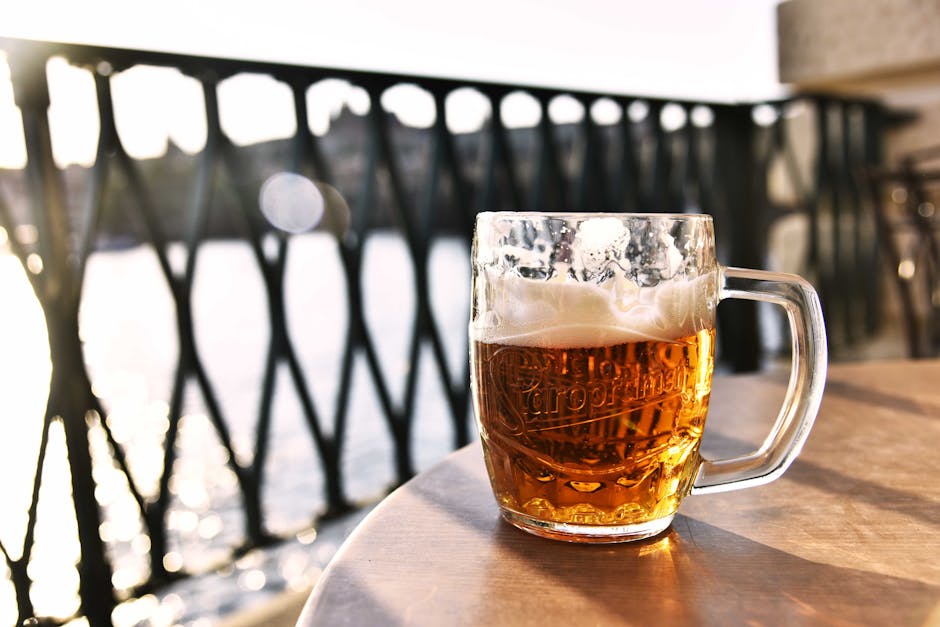
There's a difference between a city with good beer and a city with good beer culture. The best beer destinations in Europe have both: excellent liquid in the glass and a social infrastructure, neighbourhood character, and brewing history that makes the drinking meaningful. These cities have that.
The Cities
Brussels, Belgium
Brussels is the most historically significant beer city in Europe, and the argument is not close. The Lambic tradition, spontaneously fermented using wild yeasts from the Zenne valley, produces Gueuze and Kriek that have no real parallel anywhere in the world. The city's cafe culture means drinking is embedded in daily life rather than confined to specialist bars. The Molenbeek and Anderlecht districts have breweries producing these traditional styles alongside modern interpretations, and the sheer density of excellent beer available in ordinary neighbourhood cafes is something no other city can replicate.
Best for: Beer tourists who want to engage with Europe's most historically important and genuinely irreplaceable brewing tradition.
Prague, Czech Republic
Prague does one thing and does it at a level that makes everything else look like approximation: Czech pilsner. The unfiltered, unpasteurised tank lager served directly from conditioning tanks in the city's traditional pubs is the blueprint that most of the world's lager tries and fails to match. The Vinohrady and Žižkov neighbourhoods have the best concentration of traditional pubs, and the craft scene that has developed over the last decade gives serious drinkers a second register to explore. Beer has never been cheaper for its quality anywhere in Western or Central Europe.
Best for: Lager drinkers who want to understand what the style actually tastes like at its source.
Copenhagen, Denmark
Copenhagen is the most internationally influential beer city of the last twenty years. The new wave of Danish craft brewing, centred on the Vesterbro and Nørrebro neighbourhoods, produced breweries that changed how the world thought about European craft beer in the 2000s. The city's food culture has bled into the brewing culture: experimental, ingredient-focused, often referencing the same foraging and fermentation traditions that define New Nordic cuisine. The beer is expensive, but the quality at the upper end is exceptional.
Best for: Craft beer enthusiasts who follow the industry and want to drink in the city that reset the agenda for European brewing.
Berlin, Germany
Berlin's beer culture is more complex than its Bavarian neighbour gets credit for. The Berliner Weisse, a sour wheat beer with a centuries-long history, has been revived and reinterpreted by the city's craft scene. The Prenzlauer Berg and Kreuzberg neighbourhoods have a density of craft beer bars and tap rooms that rewards multiple days of exploration. The city also has a functioning remnant of traditional German brewing culture alongside the new wave, which gives a drinker both the historical and the contemporary in the same city.
Best for: Drinkers who want the full spectrum, from traditional German styles to the most experimental end of European craft brewing.
Dublin, Ireland
The Irish pub needs defending against its own clichés. Behind the tourist-facing Guinness narrative, Dublin has developed a serious craft brewing scene centred in the Liberties district and spreading across the city. The stout culture provides an excellent baseline: understanding what a well-kept, properly poured pint of stout tastes like in a Dublin pub is a genuine education. The craft scene has produced excellent IPAs, red ales, and mixed fermentation beers that sit comfortably alongside the best in Europe.
Best for: Stout drinkers and anyone who wants to understand the gap between an Irish pub's reputation and what the best of them actually deliver.
Tallinn, Estonia
Tallinn is the Baltic underdog of European craft brewing, and it's producing genuinely exciting work. The city has a cluster of breweries in and around the city centre that punch well above their scale, and the price point makes exploration affordable. The local tradition of juniper beer and farmhouse ales provides native context that you won't find in Western European cities. For drinkers who prefer discovery over validation, Tallinn is more interesting than most cities that get the coverage.
Best for: Beer explorers who want to discover a scene that hasn't been fully mapped yet, at prices that allow experimentation.