 ConciseTravel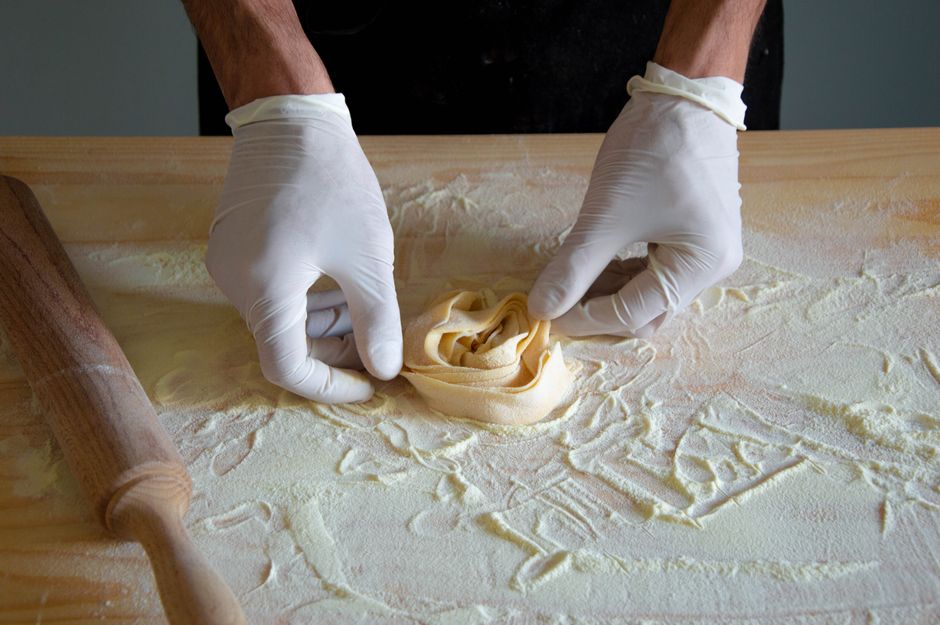
A cooking class is only worth your time if the cuisine it teaches is worth eating. In cities with flat food cultures, you learn to make things you could have ordered from a restaurant for less. In these six cities, the cuisine is distinctive, historically rooted, and genuinely improved by understanding how it is made.
The Cities
Bologna
Bologna is the undisputed capital of Italian cooking classes in Europe. The city sits at the centre of Emilia-Romagna, the region that produces parmigiano-reggiano, prosciutto di Parma, mortadella, and some of the world's best pasta. Classes here focus on fresh pasta — tagliatelle, tortellini, sfoglia — made by hand using techniques passed down in Bolognese households for generations. The local food culture is serious, proud, and specific, which means the instructors bring genuine expertise. Bologna is not a major tourist city, which keeps the class experience more authentic than Rome or Florence.
Best for: Handmade pasta from the city that invented the sauce named after it.
Rome
Rome has a vast and competitive cooking class market, which means quality varies but the ceiling is very high. The best classes here focus on Roman cuisine specifically: cacio e pepe, carbonara, carciofi alla romana, supplì, and the city's Jewish-Roman tradition. Market-to-table formats — starting with a guided tour of Campo de' Fiori or Testaccio market before cooking — are the standout offering. The sheer density of culinary tradition in the city gives instructors material that goes well beyond pasta. Book early; the best classes fill weeks in advance.
Best for: Roman classics cooked with market-fresh ingredients and historical context.
Barcelona
Barcelona's cooking class scene benefits from two distinct culinary traditions: Catalan cuisine (pa amb tomàquet, escalivada, fideuà, crema catalana) and the city's outstanding seafood culture. The best classes combine a Boqueria market visit with a focused hands-on session on Catalan technique. The market itself is worth the trip regardless of the class. Beyond Catalan food, the city has developed a strong contemporary Spanish cooking class culture that incorporates technique from the wider Basque and Mediterranean traditions. The class infrastructure here is highly developed and well-translated for international visitors.
Best for: Catalan cooking with a market visit built in.
Istanbul
Istanbul's cooking class scene is one of the most underrated in Europe. The city's cuisine — Ottoman-rooted, layered with Middle Eastern, Balkan, and Central Asian influence — is complex enough that a class genuinely changes how you understand what you are eating at every subsequent meal. Meze, köfte, börek, pide, and the city's extraordinary dessert and pastry tradition are all covered by different class formats. The Fatih and Karaköy neighbourhoods have the best operators. The spice bazaar market tours that pair with cooking classes here are extraordinary.
Best for: Ottoman and Turkish cuisine — the most distinctive culinary tradition in the city.
Lisbon
Lisbon's cooking classes focus on Portuguese staples that look simple but require specific technique: bacalhau (salted cod in multiple preparations), pastéis de nata, and the city's tradition of rice and seafood dishes. The classes are generally small, well-priced by Western European standards, and run by locals who teach from personal family recipes rather than standardised menus. The Mouraria and Príncipe Real neighbourhoods have the best independent operators. The petiscos (small plates) format class is particularly good for visitors who want breadth over depth.
Best for: Bacalhau and pastéis de nata — the two things Portugal does like nowhere else.
Athens
Athens is an underrated cooking class destination. The city's cuisine — mezedes, spanakopita, moussaka, horiatiki salad, and the city's lamb and olive oil tradition — is regionally specific in ways that reward learning the detail. The best classes start in the Varvakios Agora (the central market) and work through both the theory of Greek flavour and the practical technique. The olive oil, cheese, and wine culture that underpins Greek food gives instructors a rich broader context. Classes here are among the best value in Mediterranean Europe.
Best for: Greek mezedes culture and an exceptional market tour to start.