 ConciseTravel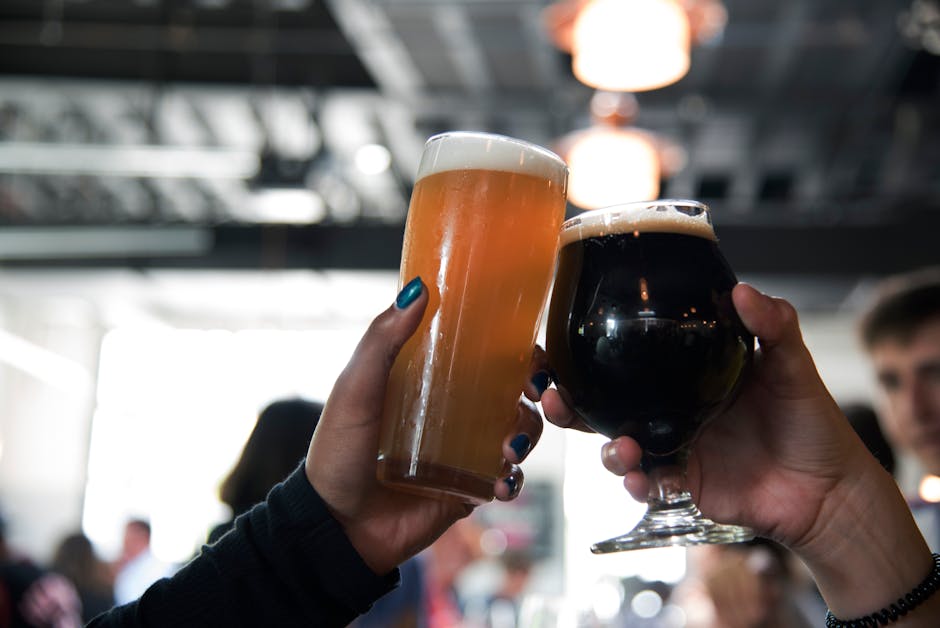
Belgian beer is genuinely world-class. It's not just "good beer"—Belgium has an entire tradition of beer-making going back centuries. Trappist monks brewed beer. Regional styles developed unique characteristics. Brussels is the epicentre.
If you don't know Belgian beer, this will change how you think about beer.
The Beer Styles: What You Need to Know
Trappist Ales: Made by Trappist monks in monasteries. There are only 12 Trappist breweries in the world, and 6 are in Belgium. These beers are complex, high-alcohol (7-12%), and meant for contemplation. Chimay, Orval, Westmalle are the big names.
Abbey Ales: Not made by monks, but inspired by Trappist traditions. Similar complexity and alcohol content but more varied.
Lambic: Unique to Brussels and the Senne River valley. Spontaneous fermentation (wild yeast from the environment) creates a sour, complex beer. It's an acquired taste but genuinely fascinating. Gueuze is blended lambic, Kriek is lambic with cherries.
Blonde, Amber, Brown Ales: Various regional styles. Complex, flavorful, often high-alcohol. The foundation of Belgian beer culture.
Saisons: Lighter, farmhouse-style beers. Lower alcohol, spiced often, historically brewed for farm workers.
Why Belgian Beer Is Different
Tradition: Belgium takes beer seriously. Brewers are artists, not just manufacturers. Recipes are guarded family secrets passed down generations.
Complexity: Belgian beers typically have more going on—spices, fruit notes, complex fermentation—than German or British beers.
Alcohol content: Often stronger than other beers. 8-10% is common for everyday Belgian beer (not just special releases).
Serving culture: Belgians serve beer in specific glasses designed for each beer type. The shape affects how you taste it. This isn't pretension—it actually works.
Where to Drink in Brussels
Café culture: Brussels has a café tradition. Locals sit for hours over one beer, reading newspapers or talking. It's not rushed. Pick a café, order a beer, settle in.
Best neighbourhoods for beer bars: Ixelles (lots of cafés with good beer), the Sablon (wine-focused but good beer), Marolles (neighbourhood cafés).
Tourist traps to avoid: The Grand Place has beer halls, but you'll pay tourist prices for mass-market beer. Skip it.
Specific Recommendations
Brasserie Cantillon (Brewery Tour): Working lambic brewery in Marolles. You can tour the brewery, see the process, and drink fresh lambic. It's genuinely cool. €15 entry, includes a glass of beer. Bookings recommended.
Chez Moeder Lambic (Multiple locations): Beer café chain with incredible beer selection (100+ on tap). Start in Ixelles or Saint-Gilles. Order whatever appeals. Staff knows beer and will guide you.
Café la Maison: Small neighborhood café in Ixelles. Genuine locals, good beer, no pretension.
À la Maison: Another small spot, different neighbourhood. Just pick any small café in Ixelles—the quality is consistent.
Breweries with taprooms: Some breweries offer tastings. Cantillon is the main one. Others are outside Brussels (Chimay, Orval require travel).
How to Order (Without Looking Like an Amateur)
Ask the bartender: "What's good today?" They'll point you toward something interesting. Belgian bartenders are not snobby—they want you to enjoy it.
Start with something approachable: If Trappist beer is new to you, start with Chimay Blonde (7%) before jumping to Chimay Blue (9%). It's lower alcohol and slightly sweeter.
Try a lambic: Get a Kriek (cherry lambic) or Gueuze (straight lambic) once. It's sour and unusual. You might not love it, but you'll understand Belgian beer culture better.
Accept the glass: If they pour your beer into a special glass, that's correct. That glass is designed for that beer. Use it.
Cost: €4-7 per beer in a café, depending on location. Tourist bars are €8-10+.
Lambic: The Weird One
Lambic is sour, funky, and fermented by ambient yeast. It's not mass-produced—it's nearly artisanal by nature.
Straight lambic: Sour, acidic, complex. Not for everyone. But if you like sour beers (Belgians love them), this is the original.
Kriek: Lambic + cherries. More approachable. Slightly sweet, fruity, still sour. Good introduction to lambic.
Gueuze: Blended lambic, often vintage. Complex, acidic, challenging. For serious beer drinkers.
Where to try: Chez Moeder Lambic or Brasserie Cantillon.
Trappist Beer (The Gold Standard)
Six Belgian Trappist breweries make beer:
- Chimay: Most accessible. Multiple styles (Blonde, Red, Blue). Widely available.
- Orval: Distinctive hoppy character. Unusual. Great beer, challenging.
- Westmalle: Clean, complex. Trappiste style of ales.
- Rochefort: Less famous, deep flavour.
- Achel: Newest (started 1998). Still developing reputation.
- Westvleteren: Nearly impossible to find (brewed in tiny quantities). A pilgrimage beer.
Start with Chimay. Progress to Orval if you want something more interesting. Order at any decent café.
Practical Reality
Belgian beer isn't elitist or complicated. It's just genuinely good. Sit in a café, order a beer, enjoy it. The culture is unpretentious—people drink beer to savour it, not to impress others.
You can have a genuinely excellent beer experience in Brussels for €5-20 total (one or two beers in a neighbourhood café). No need to spend more.
Pro Tips
Drink less quantity, better quality: One excellent Belgian beer is better than three average ones. The alcohol content is usually higher anyway.
Food pairing: Belgian beer works with the food we discussed earlier. Moules with white ale, carbonnade with dark ale, waffles with... maybe water (waffles and beer don't pair well).
Bring some home: If you want to remember the beers, buy a couple bottles (breweries sell them). Trappist ales travel well. Lambics are fresher drunk locally but will keep.
Master Brussels in Minutes
Don't waste hours planning. Get our condensed, digital cheat sheet with everything you actually need.
Shop Guide on Etsy →