 ConciseTravel
Belgian Beer in Bruges: A First-Timer's Guide to Brugse Zot, Straffe Hendrik, and De Garre
Belgian beer is famous for being strong, and it is. A Trappist ale can be 10%+ alcohol and taste like dessert. You think you're sipping gently. Then you've had three and you're walking sideways.
But the strength isn't the point. The point is that Belgian brewers think about flavor like winemakers do. They experiment. They blend. They've been doing it for 1,000 years in monasteries and villages.
In Bruges, beer culture is serious. Here's what to drink and why.
The Beer Context: Why Belgium Makes Good Beer
Monasteries brewed beer because water wasn't safe to drink. Boiling water (for brewing) and fermentation killed pathogens. So monks became brewers. They got really good.
Belgian brewers developed specific styles: Trappist (strong, fruity, sometimes spiced), Lambic (wild fermented, sour), Dubbel/Tripel (dark/light abbey ales, strong), Blonde (lighter, still complex).
Each brewery has a house style. You can taste Orval and know it's Orval. That consistency and identity comes from hundreds of years of tradition.
Belgian beer is agricultural. They use Belgian hops, Belgian grain, Belgian water. The terroir matters.
In Bruges, you're not just drinking beer. You're tasting history.
The Main Bruges Beers
Brugse Zot
- What it is: A blonde ale brewed specifically for Bruges (by a brewery outside the city, but marketed as Bruges beer)
- Taste: Fruity, slightly sweet, 6% alcohol, approachable
- Why it matters: It's the beer of Bruges. Locals drink it. You'll see it everywhere.
- Best for: First-timers, or someone who wants something flavorful but not overwhelming
- Where to drink it: Anywhere (it's ubiquitous)
- Price: €3–5 per pint in a bar
Straffe Hendrik
- What it is: A tripel (strong blonde ale) brewed in Bruges by De Halve Maan Brewery
- Taste: Complex, fruity, slightly spiced, 7% alcohol, more interesting than Brugse Zot
- Why it matters: It's actually made in Bruges. The brewery is still there. There's pride in the local product.
- Best for: Someone who wants to taste something more sophisticated
- Where to drink it: Everywhere, but especially at De Halve Maan Brewery (if you visit)
- Price: €4–6 per pint
De Garre
- What it is: A secret "house beer" made specifically for the De Garre bar by a local brewery
- Taste: Strong (8–10% alcohol, though exact percentage is a secret), smooth, warming, slightly sweet
- Why it matters: It's only available at the De Garre bar. You can't buy it anywhere else. It's a destination beer.
- Best for: Someone who wants to feel like an insider, or who wants something strong and smooth
- Where to drink it: Only at De Garre bar (hidden alley off Sint-Jansplein)
- Price: €5–7 per pint
- Warning: It's deceptively smooth. You don't taste the strength until you stand up.
Other Beers Worth Trying
Tripel Karmeliet (Brouwerij Bosteels): Fruity, complex, 8% alcohol. Often described as the best tripel in Belgium.
Orval (Abbaye Notre-Dame d'Orval): One of the most famous Belgian beers. Hoppy, dry, 6.2% alcohol. Trappist monks brew it.
Westmalle Tripel: Another Trappist, very highly regarded. Complex, slightly spiced, 9.5% alcohol.
Any local Trappist or Abbey ale: Ask the bartender what they recommend. Most bars have 20+ options.
Where to Drink
Casual bars (for beer and atmosphere):
- Delaney's Irish Pub: Mixed crowd, casual, good beer selection
- t Brugs Beertje: Small, locals and travelers, excellent beer list
- De Garre: Hidden alley, intimate, destination bar
Brewery tours:
- De Halve Maan Brewery: Still-operating brewery, tour + tasting, €10–15
- See actual beer being made, then drink in the brewery bar
Cafes (for beer with food):
- Any cafe near the Market Square
- Quality varies, but beer is usually good
- Food makes a difference when drinking stronger beer
How to Actually Enjoy Belgian Beer
Drink it slowly. Belgian beer is complex. You're meant to linger over a glass for 30 minutes, tasting how it evolves as it warms.
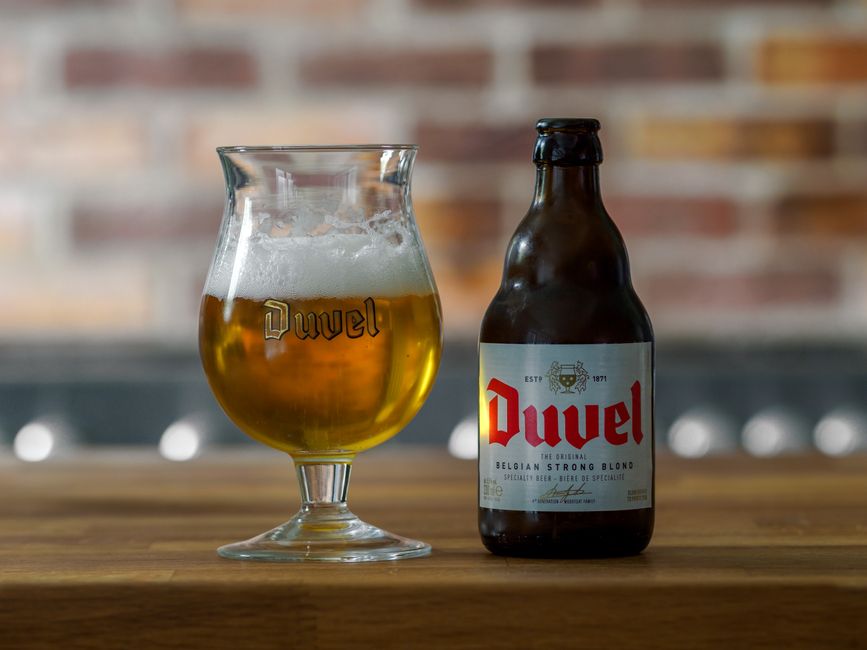
Use the right glass. Belgians have specific glasses for different beer styles. A Trappist goes in a chalice or goblet. A blonde in a tulip or regular pint. It matters.
Eat while drinking. Belgian beer is strong and meant to be paired with food. A cheese board, bread, or a meal makes it better.
Don't chase the ABV. The point isn't getting drunk. It's tasting the flavor. A 6% beer enjoyed slowly is better than a 10% beer you pound.
Space them out. If you're doing a beer crawl, grab food between drinks. It slows you down and improves the experience.
The Social Component
Belgian beer culture is social. Belgians drink in groups, slowly, at cafes or bars where they linger for hours. It's not about quantity. It's about conversation and community.
When you drink Belgian beer the Belgian way, you're doing it right.
Beginner Advice
Start with Brugse Zot. It's approachable, flavorful, and you'll see it everywhere. Get used to it.
Then try Straffe Hendrik. More complex, still not overwhelming.
Then seek out stronger stuff or Trappist beers if you're interested.
Skip anything that's just "strong" without flavor. High alcohol isn't the goal. Taste is.
Alcohol and Travel
Belgian beer is strong. A pint of Straffe Hendrik (7%) is stronger than a pint of typical American beer (5%). Pace yourself.
Drink water. Alternate a beer with a water. You'll feel better and actually enjoy the experience.
Eat. Never drink Belgian beer on an empty stomach. The alcohol hits different.
Belgian beer is one of the best things to experience in Bruges. Drink it slowly, with people, in the right atmosphere. You'll understand Belgian culture faster through beer than through museums. Our full Bruges guide covers every bar, brewery, and drinking experience—how to drink like you belong, not like you're just visiting.