ConciseTravel
Spain gives you two world-class cities within two hours of each other by train, and the debate over which to visit first never fully resolves. Barcelona people will tell you Madrid is just another European capital. Madrid people will tell you Barcelona is all surface. Both camps are wrong, and both cities are worth your time. The real question is which one fits the trip you are planning right now.
The fundamental difference
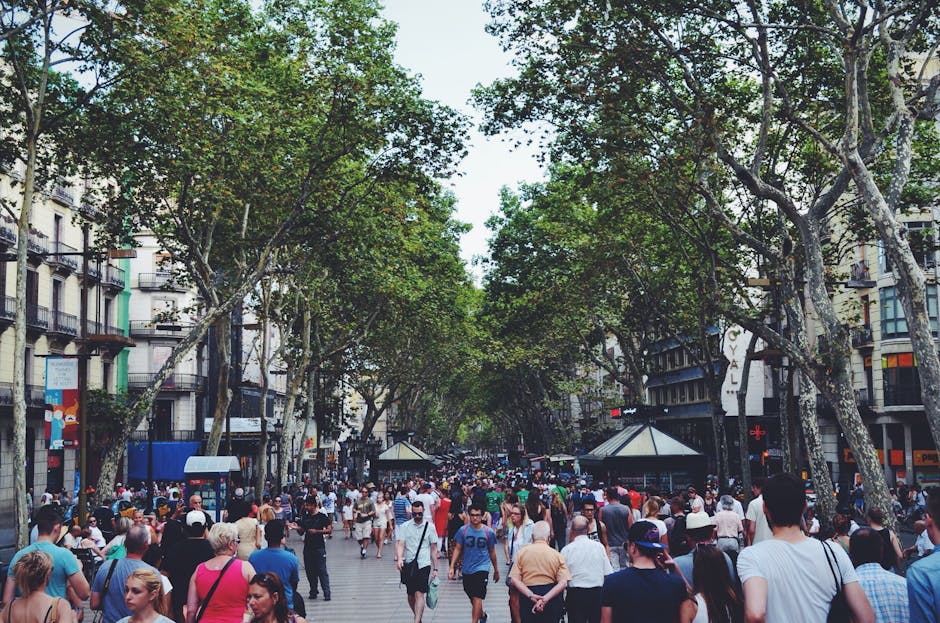
Barcelona has a physical identity that Madrid does not. The sea is there. The hills are there. Gaudí's fingerprints are everywhere — the Sagrada Família, Park Güell, Casa Batlló — and the Gothic Quarter is one of the most atmospheric medieval neighbourhoods in Europe. It is a city that looks like nowhere else, and that visual distinctiveness is part of its appeal.
Madrid is a capital city in the fullest sense. The Prado, the Reina Sofía, and the Thyssen-Bornemisza make up one of the greatest concentrations of art museums in the world. The food scene is extraordinary. The nightlife runs later than almost anywhere else in Europe. What it lacks in instant visual drama, it more than compensates for in depth and variety.
Neither city is an easier version of the other. They are genuinely different experiences.
Art and culture
If you care about fine art — painting, specifically — Madrid has no peer outside Paris. The Prado holds Velázquez, Goya, El Greco, Rubens, and Titian. The Reina Sofía has Picasso's Guernica and enough 20th-century Spanish art to fill a week. The Thyssen covers everything in between. The three museums sit within walking distance of each other, which is almost unfairly convenient.
Barcelona's cultural identity runs through architecture. Gaudí is the obvious entry point, but the city's Modernisme movement left behind buildings that feel like fever dreams in the best possible way. The Picasso Museum holds his early work and shows how the city shaped him before Paris got involved. MACBA (the Museum of Contemporary Art) is worth an afternoon if you follow contemporary work.
Call it for art: Madrid. Call it for architecture: Barcelona, and it is not close.
Food
Both cities eat late and take food seriously, but the styles differ considerably.
Madrid's food culture is built on tradition. Cocido madrileño (a slow-cooked chickpea stew), huevos rotos, and the city's legendary ham-and-wine bars form the backbone. The Mercado de San Miguel is touristy but genuinely good. The tapas culture around La Latina and Malasaña rewards walking and grazing rather than sitting down for formal meals.
Barcelona's food scene spans further. Catalan cuisine is distinct from Castilian — pa amb tomàquet (bread rubbed with tomato and olive oil) is everywhere and somehow always satisfying, and the seafood proximity matters. La Boqueria is over-visited but the neighbourhood markets around it are not. The city has earned its Michelin stars, but the everyday eating — a good bocadillo at a counter, fresh fish near the port — is what most visitors remember.
Neither city will disappoint you on food. This one is genuinely a draw.
Beaches and outdoor life
Barcelona has them. Madrid does not.
If a beach is part of what you want from a city break — and for many people in summer, it absolutely is — that settles it. Barceloneta is crowded but functional, and the quieter beaches further up the coast are accessible by bus or metro. The city's hillside parks (Montjuïc, Tibidabo) give you views and greenery without leaving the city.
Madrid compensates with Retiro Park, one of the best urban parks in Europe, and easy access to the Sierra de Guadarrama for day trips. But if the Mediterranean is part of the image in your head, only one city delivers it.
Nightlife and pace
Madrid moves later. This is not a stereotype — bars in many neighbourhoods do not fill until midnight, clubs run until 6am, and Sunday lunch can easily drift into Sunday dinner. The Malasaña, Chueca, and Lavapiés areas are excellent for an evening that goes wherever it goes.
Barcelona's nightlife is internationally famous and well-documented. The beachfront clubs, the Gothic Quarter bars, the Eixample's sprawling options — it is all there, and it works. But Barcelona also has an earlier rhythm for day visitors and a tourist infrastructure that is more visible than Madrid's.
If the night is central to your trip, Madrid edges it. If you want flexibility and do not mind the tourist overlay, Barcelona holds its own.
Cost
Both cities are mid-range by Western European standards — more expensive than Lisbon or Prague, cheaper than Paris or London.
Barcelona typically runs slightly higher, partly due to the tourist premium around the main Gaudí sites and the beachfront accommodation. Madrid's central neighbourhoods offer strong value, particularly around the Malasaña and Chueca areas where accommodation is competitive and the food scene is excellent without the tourist markup.
Expect to spend around €100-€130 per person per day for a comfortable trip in either city. You can trim that significantly by eating at lunch menus and using the metro instead of taxis.
The honest verdict
Go to Barcelona first if: you want visual drama, a beach option, and a city where the architecture is the main event. First-time visitors to Spain who want a complete sensory package usually leave Barcelona feeling like they got what they came for.
Go to Madrid first if: art museums are your thing, you want deep food culture, or you are the kind of traveller who prefers a city that rewards exploration over one that performs for you. Madrid is less immediately photogenic but more consistently impressive the longer you stay.
The good news is that the Madrid-Barcelona AVE train runs in around two and a half hours. You can do both on a longer trip, and the contrast makes each city sharper.
Our Barcelona city break guide and Madrid city break guide both cover transport, neighbourhoods, what to eat, and what to skip — everything you need to make the most of whichever you choose.