ConciseTravel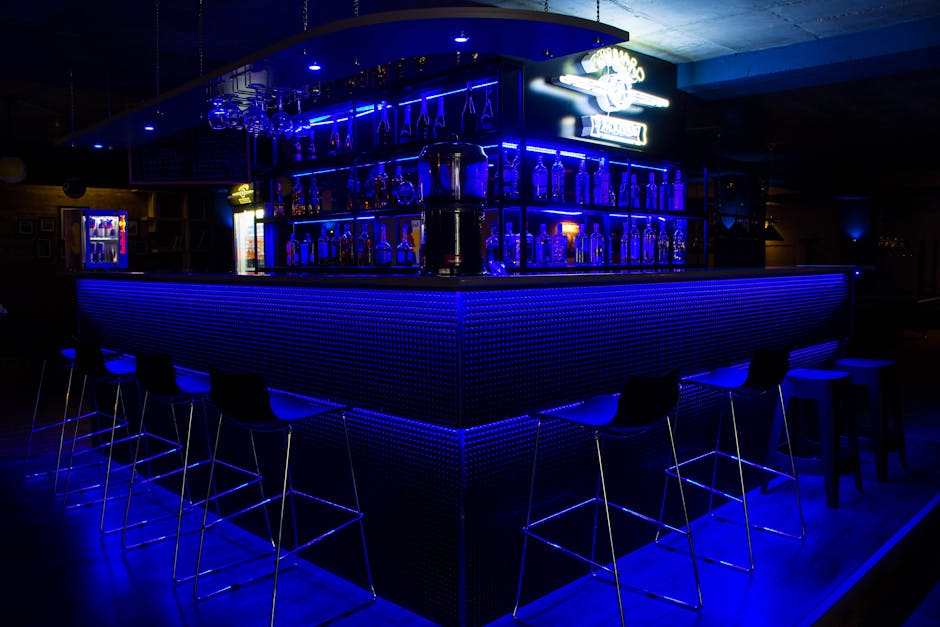
Barcelona Nightlife Gatekeeping: Bars vs. Clubs vs. Beach Clubs, Your Decision Tree
The Wrong Question
Most tourists ask: "Where should we go out tonight?"
The right question is: "Who are we tonight, and what does that version of us want?"
Are you reflective and conversational? Energetic and dancing? Trying to meet people? Just trying to not be alone? These are different nights, and they need different venues.
Barcelona has all of them. But picking the wrong one is like going to a cafe expecting nightclub energy or a nightclub expecting to have a conversation. You'll be miserable and blame the city.
Let's fix that.
The Vibe Filter: What Kind of Night Are You Having?
The Quiet Wine Bar Night
Who: You, maybe a friend or a partner. You want to talk. You want to sit. You want wine or a cocktail. You don't care about noise or dancing.
Where: El Born, Gothic Quarter side streets, Poble Sec.
Specific type: Small, intimate bars. Usually Spanish wine bars or vermouth spots. El Xampanyet in El Born is the classic, standing room only, buzzing with locals, cheap cava, old-school vibes.
What to expect: Standing room (mostly), 10–20 people in a small space, noise level is conversation level (people talking over each other but you can still hear your friend), people staying 30 minutes to 2 hours.
Cost: €2–4 per drink. A €10 wine and olives order gets you 30 minutes of company. Locals do this in their lunch break.
Timing: Early evening (6–8pm) is peaceful. Later (9pm+) is busier but still conversational. Never gets "loud" in the club sense.
The "I Want to Meet People" Bar Night
Who: You, solo or with a friend (or a few). You're open to talking to strangers. You want something social but not clubby.
Where: Gothic Quarter, El Born, parts of Eixample.
Specific type: Medium-sized bars with good energy. Paradiso in El Born is excellent, small speakeasy vibe, quality cocktails, cool people. Bar del Pla nearby is similar.
What to expect: 30–60 people, higher energy than wine bars, music (not loud enough to prevent conversation), mix of locals and tourists, people staying 1–2 hours.
Cost: €6–10 per cocktail. You're paying for quality and atmosphere, not volume.
Timing: Late evening (9pm+). Earlier and there are fewer people. Later and it gets too crowded.
Pro tip: Sit at the bar, not at a table. You're more likely to chat with people.
The "Let's Dance" Club Night
Who: You with friends. You want to move. You want energy. Conversation is irrelevant.
Where: Port Olímpic (by the beach), Eixample (gay venues), industrial areas.
Specific type: Actual dance clubs. Razzmatazz is the biggest (5 different rooms, different vibes). Opium and Pacha by the beach are bottle-service focused (expensive). Sala Apolo is more underground and cheaper.
What to expect: 500+ people, loud music, dancing, light show, people staying 2–4 hours.
Cost: €10–15 entry, €5–8 drinks (expensive). VIP tables and bottle service cost €500+. You don't need it.
Timing: Clubs get busy after 1am. Before that, it's empty and sad. Midnight–1am is transition time. 1–3am is peak. 3am onward is when the real party starts for people who stay till 6am.
Fair warning: Clubs are where pickpockets go. Keep your phone in your front pocket. Don't bring valuables.
The "Live Music" Night
Who: You with friends or solo. You want music, but live, not DJ. You want to sit or stand and listen, not dance.
Where: Gothic Quarter (jazz clubs), Plaça Reial (flamenco shows), various live music venues.
Specific type: Jazz clubs like Harlem Jazz Club, flamenco shows like Tablao Flamenco Cordobés, or just smaller venues with nightly live sets.
What to expect: 30–150 people, music is the main event, people mostly sitting/standing, atmosphere is respectful (you don't talk through the music).
Cost: €5–15 entry (sometimes free), €5–8 drinks, or €40–80 for a flamenco show with dinner.
Timing: Starts early (9–10pm), peaks 11pm–midnight, winds down by 1am.
The "Beach Bar at Night" Vibe
Who: You with friends. Summer vibes. You want something low-key but lively.
Where: Barceloneta, Port Vell.
Specific type: Beach bars (chiringuitos) with sand, chairs, cocktails, DJ sets.
What to expect: 50–200 people, music but not dancing-level, people mixing, chilled vibes, easy mix of locals and tourists.
Cost: €5–10 per drink.
Timing: Starts late afternoon (5pm), peaks at 8–10pm, winds down midnight.
Limitation: Only in summer. In winter, most beach bars close or become depressing.
The Neighborhood Subtext
Barcelona's neighborhoods have distinct nightlife personalities:
Gothic Quarter & El Born: Bars, wine, conversation, local/tourist mix. Feel like you're in a European city.
Eixample (Gaixample especially): LGBTQ+ nightlife, very welcoming, mix of bars and clubs. Most progressive scene in Barcelona.
Port Olímpic: Beach clubs, expensive, touristy, bottle-service culture. You're there for the scene, not the authenticity.
Poble Sec: Tapas bars, budget nightlife, local vibe. Carrer de Blai is the tapas street.
Raval: Edgier, young, experimental. Some clubs, some art spaces doing music.
The Decision Tree: How to Actually Choose
Are you solo? → Go to a bar (wine bar or cocktail bar), not a club. Bars are social. Clubs are for groups.
With a group of friends? → Depends. Do you want to talk? Wine bar. Do you want to dance? Club.
With a partner? → Wine bar or live music. Clubs are not romantic.
Do you have energy to dance? → Yes → Club. No → Bar.
Is it a Tuesday night? → Yes → Earlier (8–11pm) and smaller. Weekdays are quieter.
Is it summer? → Yes, and you like beach vibes → Beach bar. Otherwise → City bar/club.
The Honest Talk: What to Actually Avoid
Don't:
- Drink on Las Ramblas. Tourist trap, expensive, mediocre.
- Go to the "flamenco show + dinner" packages on Las Ramblas. They're €80+ for a rushed meal and a show you could see better (and cheaper) elsewhere.
- Expect to find "authentic nightlife" in a club. Clubs are everywhere and they're all similar. The authentic part is in the bars.
- Arrive at a club before midnight expecting a good time. It won't be. People here are intentional about timing.
- Bring your whole travel budget to a club. You'll spend it without noticing.
The Real Framework: Build Your Night by Vibe, Not by Reputation
Here's what actually happens in a good night out in Barcelona:
- Early evening (6–8pm): Wine bar somewhere central. Cava and snacks. 30 minutes.
- Dinner (8–10pm): Restaurant or tapas. Separate experience entirely.
- Late evening (10pm–midnight): Move to a cocktail bar or live music venue. Energy starts to build.
- Midnight+: Depending on energy level, either stay in the bar (if it's lively) or transition to a club.
This isn't predetermined. It's responsive. You start in one place, feel the energy, decide where to go next.
Tourists try to plan their nightlife like they plan their museum visits. ("Tonight we'll go to Club X at 11pm exactly.") That's backwards. You go to where the people and energy are.
Bringing It Together
Barcelona's nightlife is excellent not because of any single venue (they're all pretty normal). It's excellent because there are options and they're all accessible.
Your job is to know what kind of night you're having, then pick the venue that matches it.
For specific bar names and addresses in each neighborhood, what time to actually arrive at clubs to not waste time waiting, and how to move around the city after bars close (and where to get food at 2am), check out our Barcelona guide's Nightlife section, it's got the tactical intel on making a night out work exactly how you want it.
Master Barcelona in Minutes
Don't waste hours planning. Get our condensed, digital cheat sheet with everything you actually need.
Shop Guide on Etsy →