ConciseTravel
The best food in Bangkok is street food. It's also the riskiest if you're not careful. Here's how to eat like a local without spending your trip in a bathroom.
The Real Risk Level
Honest assessment: Most travellers can eat street food without problems. But some get sick. The risk is real but manageable with basic precautions.
Who gets sick: Travellers with weak stomachs, those who eat indiscriminately, people who ignore hygiene signs, and folks who eat late-night sketchy food after drinking.
Who doesn't get sick: Travellers who eat at busy, popular stalls with high turnover, who avoid certain foods, and who practice basic hygiene.
Prevention is 80% of the battle. Eat smart, and you'll probably be fine.
What's Actually Dangerous
Raw vegetables in salads (som tam, fresh rolls): The water used to wash them might not be clean. High-risk.
Raw fish (sashimi, ceviche): Thailand isn't Japan—refrigeration standards are lower. High-risk.
Meat that's been sitting out: If a stall has pre-cooked meat sitting in the sun, skip it. High-risk.
Shellfish from questionable sources: Shrimp from polluted water. Medium-high risk.
Tap water and ice: Tap water is not potable. Ice is usually made from filtered water (safe), but sometimes it's questionable.
Deep-fried things (generally safe): The oil is hot enough to kill bacteria. Low risk even if hygiene is questionable.
Freshly cooked items at busy stalls: Low risk. The stall is busy, food is fresh, cooked to order.
Green Lights: Eating at Safe Stalls
The stall is crowded (especially at lunch/dinner): High turnover means fresh food. Locals eat there, so it's likely safe. Crowds vote with their stomachs.
You can see the cooking: Open kitchen. You can watch the process. If they're not hiding anything, it's a good sign.
The vendor is wearing an apron and gloves: Not mandatory, but a sign of basic food safety practices.
The stall has a permanent location: Not a moving cart. They've been operating long enough to have a spot, which suggests cleanliness standards.
Other Thais are eating there: Locals know the safe places. If locals eat at a stall, it's probably fine.
The food is cooked fresh to order: They're cooking in front of you, not serving pre-made food.
The stall is clean: Basic observation. No visible trash, grease, or insects. Stools are wiped down.
Red Flags: Avoid These Stalls
Deserted mid-meal times: A food stall with no customers during lunch hour is suspicious. Either the food is bad or hygiene is questionable.
You can't see how it's made: Hidden kitchen, food served from a covered container, you can't observe the process.
Pre-cooked food sitting in the sun: Fried chicken or meat that's been sitting for hours. Bacterial growth is happening.
Visible flies or insects: Walk away immediately.
The stall looks dirty: Trash on the ground, sticky surfaces, unclear water used for washing.
Raw vegetables in dishes you didn't request: If a noodle stall adds raw lettuce or sprouts without asking, be cautious.
Questionable hygiene from the vendor: Handling money then touching food without gloves, sneezing on food, bathroom visits without hand-washing.
Specific Foods: Safe vs. Risky
Safe (generally):
- Pad Thai, pad see ew: Noodles cooked fresh. Safe.
- Curries (khao geng): Hot liquid kills bacteria. Safe.
- Grilled meats and fish: High heat. Safe.
- Fried foods (satay, spring rolls): Oil is hot. Safe.
- Sticky rice: Cooked, served warm. Safe.
- Soups (tom yum, boat noodles): Hot liquid. Safe.
Medium risk:
- Salads (som tam, larb): Raw vegetables. Risk depends on water quality.
- Fresh rolls (spring rolls): Raw vegetables inside. Medium risk.
- Seafood (if cooked fresh): Generally safe if just cooked. Risky if pre-cooked.
- Raw seafood (sashimi, ceviche): Avoid unless at a high-end restaurant.
High risk (avoid):
- Anything with tap water: Salads washed in tap water, iced drinks made from tap water.
- Street meat that's been sitting out: Fried chicken that's been warmed several times.
- Unknown origin seafood: If you can't verify freshness.
Practical Rules for Eating Safe
1. Eat at busy times (11:00–13:30, 17:30–21:00): Stalls serve the most customers, food is freshest.
2. Avoid peak tourist times but eat when locals eat: Avoid 09:00–11:00 (stalls haven't fully opened), and avoid midnight (sketchy food and drunk tourists).
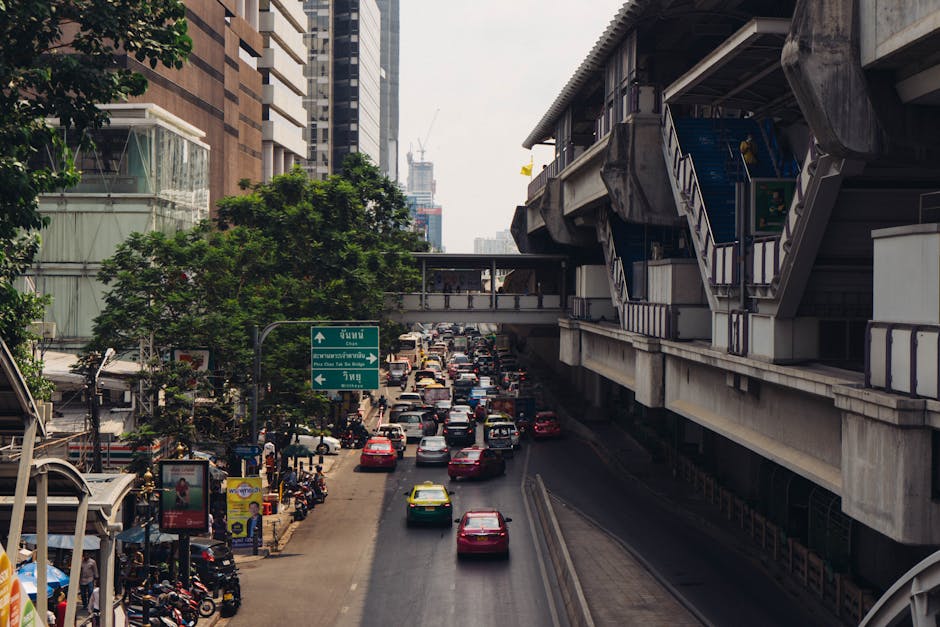
3. Choose stalls near BTS or MRT stations: High foot traffic, high turnover, more regulated.
4. Ask the vendor: "Aroy mai? Mai pet na?" (Is it good? Not too spicy?). They'll recommend the safest, best dishes.
5. Watch them cook: If you can see the process, it's transparent.
6. Eat things that are cooked to order: Don't buy pre-cooked food sitting in a warmer.
7. Ask for no ice if unsure: Order "nam sod" (cold water without ice) or stick to sealed drinks.
8. Eat the whole cooked item: Don't eat partially peeled fruit from the ground. Buy sealed or freshly cut.
9. Trust your gut (literally): If a stall smells off or looks sketchy, don't eat there. Your instincts are good.
10. Avoid late-night food comas: Eating sketchy food at 02:00 after drinking is how you get sick. Eat proper dinner earlier.
Stomach Issues: Prepare and Respond
Before you arrive:
- Consider probiotics (optional, mixed evidence but doesn't hurt).
- Pack anti-diarrhea medication (loperamide/Imodium).
- Have antacids (Tums, Rennie).
- Consider bismuth subsalicylate (Pepto-Bismol), though it's not effective long-term.
If you get sick:
- Rest, drink electrolytes (oral rehydration salts are sold at 7-Elevens).
- Avoid dairy, spicy food, and alcohol.
- Take anti-diarrhea meds if you need to be mobile (but rest is better).
- See a doctor if it lasts >3 days or if there's blood/severe pain.
The good news: Most traveller's diarrhea is mild and passes in 1–2 days. It's not life-threatening.
Drinking Water and Ice
Tap water: Not safe. Don't drink it, even in your hotel room (unless you trust your hotel's filtration).
Bottled water: Safe. Available everywhere (7-Elevens, vendors, restaurants). Buy it.
Ice: Usually made from filtered water (safe). But if you're very cautious, avoid it.
Thai iced tea (cha yen) and iced coffee (gafae yen): Made by vendors, often with filtered water. Generally safe.
Coconut water from fresh coconuts: Safe. The coconut is cut open in front of you.
Sealed drinks: Coca-Cola, juice bottles, milk. All safe.
The Realistic Take
You can eat Bangkok's street food and be fine. Thousands of travellers do it daily. The key is:
- Eat at busy, popular stalls.
- Avoid raw vegetables unless at a trusted place.
- Avoid suspicious meat and seafood.
- Drink bottled water.
- Trust your instincts.
That's it. Follow these rules and your risk drops dramatically.
One more thing: Locals get sick too. It's just rarer because they build immunity over time. If you get a mild stomach issue, it's not a failure—it's a normal part of travelling. Handle it and move on.
Final Word
Bangkok's street food is incredible and mostly safe if you're smart. Eat at busy stalls with fresh, cooked food. Avoid raw vegetables and questionable seafood. Drink bottled water. If you get sick, rest and use medication. Don't let fear prevent you from eating the best food Bangkok has to offer—just eat strategically.
Our complete Bangkok guide includes food stall locations, restaurant recommendations, and cooking class opportunities if you want to learn how Thai dishes are made.
Master Bangkok in Minutes
Don't waste hours planning. Get our condensed, digital cheat sheet with everything you actually need.
Shop Guide on Etsy →