ConciseTravel
Bangkok's Chinatown (Yaowarat): Day vs. Night
Yaowarat (Bangkok's Chinatown) is Bangkok's grittiest, most chaotic, most authentic neighbourhood. It's also Bangkok's best food destination. Here's how to navigate it and why "day vs. night" matters.
Basics
Yaowarat is bounded roughly by Yaowarat Road (the main east-west artery), Charoen Krung Road, and smaller sois (side-streets). It's ancient, dense, and crowded. Population: mostly Chinese-Thai and ethnic Chinese families, many running multi-generational shops and restaurants.
How to get there: MRT Blue Line to Hualamphong, then walk 5 minutes east into Yaowarat. Or BTS to Sanam Luang and walk 10 minutes south.
Duration: 1–2 hours for a quick walk, 3–4 hours if you're eating multiple places.
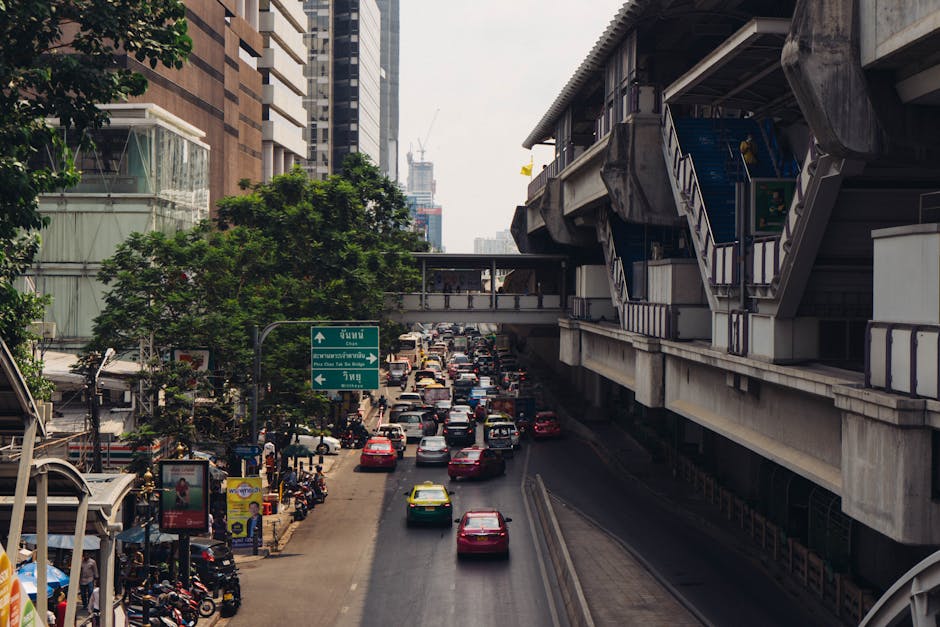
What to expect: Organised chaos. Narrow side-streets, shop-houses selling everything from gold to pig organs, locals haggling, vendors shouting, and food smells everywhere.
Yaowarat by Day
Vibe: Working neighbourhood. Locals shopping, business happening, normal pace. Few tourists.
What you'll see:
- Gold shops (Yaowarat is Thailand's gold trading hub).
- Traditional Chinese herbalists and apothecaries.
- Wet markets (fish, vegetables, meat).
- Small family restaurants packed with workers.
- Temples with Chinese architecture.
Best time: 08:00–14:00. After 14:00, the daytime vendors start packing up to prepare for the evening market.
What to do:
- Walk the main drag (Yaowarat Road): Shops, restaurants, gold dealers, chaos. Get oriented.
- Duck into the sois: The real Chinatown is in the narrow side-streets. Wander randomly. You'll find hole-in-the-wall restaurants, shrines, and locals living their lives.
- Eat at small shophouses: Many restaurants don't have English menus. Point at what other people are eating or use Google Translate camera function. The food is cheap and excellent.
- Visit Wat Mangkon Kamalawat: The oldest temple in Chinatown (dating to 1873). Chinese Buddhist architecture, usually quiet, great photos. 5 minutes walk from the main road.
Avoiding the chaos: Chinatown is aggressive. Shop owners will try to sell you gold or counterfeit watches. Don't make eye contact with touts. Keep your bag close. It's safe but intense.
Yaowarat by Night (The Night Market)
Hours: 18:00–midnight (main busy period 19:00–22:00).
Vibe: Street festival. Hundreds of food stalls, night market atmosphere, tourists and locals mixing.
What you'll see:
- Entire streets close to traffic.
- Vendor stalls selling street food, souvenirs, trinkets.
- Restaurants spilling onto the street.
- Lanterns, neon, dim lighting.
- Far more tourists than during the day.
Why visit: The food. The night market is Bangkok's best street food destination. You can eat your way through 10+ dishes for 100–150 baht total.
Where it happens: Mainly on Yaowarat Road and the surrounding sois 4, 5, 6, and 7. The stalls materialize around 18:00 and pack up by midnight.
Food: The Real Reason to Go
Yaowarat is Bangkok's food epicentre. Most famous dishes:
T&K Seafood (Yaowarat Soi 10): Giant Thai seafood restaurant in a converted shophouse. Order anything with shrimp or crab. Expensive by Chinatown standards (200–500 baht per dish) but legendary. Book ahead or arrive early.
Nai Mong Hoi Tod (Yaowarat Road, opposite Soi 6): Oyster omelette stall. One of the best in Bangkok. Order one omelette (60 baht). It's cooked to crispy perfection in 2 minutes.
Fishball stalls (various, Yaowarat Road): Small fishballs in soup. 20–30 baht per bowl. Eaten with chopsticks while standing. Locals queue for the good ones.
Duck rice (various shophouses): Roasted duck over rice with gravy. 40–60 baht. Every restaurant makes it slightly differently; try 2–3 and compare.
Wonton noodles (various): Cheap and filling. 30–50 baht.
Sweets and desserts (night market): Coconut pancakes, egg cakes, mango sticky rice—dozens of dessert stalls appear at night.
Durian (various, seasonal): If it's durian season (May–August), you'll smell it before you see it. Expensive (80–150 baht per fruit piece) but iconic. Try it once.
No specific restaurant to book—too many good ones. Walk, point, eat.
Best Itinerary
Daytime (best for less chaos):
- 10:00: Arrive via MRT Hualamphong.
- 10:15–12:30: Walk Yaowarat Road, explore sois, visit Wat Mangkon Kamalawat.
- 12:30–13:30: Lunch at a small shophouse restaurant (point at what looks good).
- 13:30: Continue exploring.
- 14:30: Exit Chinatown, have dinner elsewhere.
Nighttime (best for food and atmosphere):
- 18:30: Arrive at Yaowarat.
- 19:00–22:00: Walk the night market stalls, eat multiple things, experience the chaos.
- 22:30: Leave as stalls are packing up.
Combined: Many people do a daytime walk (2 hours), dinner elsewhere, then return for the night market (1–2 hours).
Getting Out
Yaowarat can feel like a maze. Here's your exit strategy:
Back to BTS: Walk north to Sanam Luang BTS (15–20 minutes) or walk south to Hualamphong MRT (10 minutes).
Back to the river: Walk west toward Charoen Krung Road, then toward the Chao Phraya. Express boats run from various piers.
Staying nearby: If you're staying in old Bangkok (Khao San, Riverside), Yaowarat is walkable (20–30 minutes) or a quick tuk-tuk (40–60 baht).
Insider Tips
1. Haggling: Gold shops (and some other merchants) expect haggling. If you're buying anything expensive, ask for a discount. 5–10% is standard.
2. Counterfeit goods: Touts will offer fake watches and designer goods. Avoid. It's illegal and useless.
3. Valuables: Keep your bag close and phone secure. Chinatown is safe but crowded, which attracts pickpockets.
4. Bathrooms: Limited public facilities. Use the restaurant bathroom or find a mall (there's one near Hualamphong).
5. Cash: Many small stalls don't take cards. Come with 500+ baht in cash.
6. Temples: Dress respectfully (knees and shoulders covered) if visiting Wat Mangkon Kamalawat.
What You're Missing If You Skip Chinatown
Most Bangkok tourists hit the Grand Palace, Wat Pho, and temples, then leave. They skip Yaowarat entirely. Big mistake. Chinatown is where Bangkok actually lives. The food is better, the culture is deeper, and the chaos is authentic. Don't skip it.
Final Word
Visit Yaowarat at least once. Go during the day to understand the neighbourhood, then return for the night market to eat your way through Bangkok's best street food. It's chaotic, it smells (good and bad), and it's absolutely essential to understanding Bangkok.
Our complete Bangkok guide includes more Chinatown restaurants, side-streets, and neighbouring districts (Sampheng for wholesale shopping, Nakhon Kasem for antiques). Expand your exploration once you've tasted Yaowarat.
Master Bangkok in Minutes
Don't waste hours planning. Get our condensed, digital cheat sheet with everything you actually need.
Shop Guide on Etsy →